


Articles
Explore thought leadership articles that showcase best practices across a diverse range of topics in the shared living industry.
explore ArticlesFrom Medals to Medley: What the Olympic Village Can Teach the Coliving Sector
From Medals to Medley: What the Olympic Village Can Teach the Coliving Sector

From Medals to Medley: What the Olympic Village Can Teach the Coliving Sector
The Olympic Village is rarely discussed in housing innovation circles, but it should be. Every Games cycle delivers one of the most complex residential operations in the world - thousands of residents from over 200 nations living in high-density, shared environments with extraordinary logistical demands. The model combines temporary occupancy, community integration, sustainability targets, and long-term adaptive reuse planning. It must function immediately, operate flawlessly, and convert seamlessly into legacy housing. For stakeholders in coliving, the Olympic Village offers a valuable case study in scale, community management, and urban integration.
Looking to showcase?
Contribute. Share. Lead the Conversation.
Members can submit articles, news, jobs, events, and project showcases to share expertise and gain visibility within the coliving industry.

Finding this article helpful?
Log In or Become a Premium Member to Enjoy the Full Article!
Log in to keep reading, or become a member to gain full access to Coliving Insights!
full articles
user portal
easy filtering
Pulse market overviews
direct access & full details
Coliving for Every Generation: Building Inclusive Communities Across Demographics and Lifestyles
Coliving for Every Generation: Building Inclusive Communities Across Demographics and Lifestyles

Coliving for Every Generation: Building Inclusive Communities Across Demographics and Lifestyles
The Coliving Conference 2025 featured a thought-provoking panel discussion diving into how coliving is evolving to meet the needs of diverse groups, from seniors to creatives, offering tailored community experiences for all moderated by Kristina Kurma. Panelists included Martin Kring, Maxence Petit, and Thomas Townsend. This session explored how operators, investors, and developers can navigate the balance between inclusivity and specialisation - ensuring that targeted models remain open, welcoming, and adaptable, while meeting market demand and creating a sense of belonging for all.
Looking to showcase?
Contribute. Share. Lead the Conversation.
Members can submit articles, news, jobs, events, and project showcases to share expertise and gain visibility within the coliving industry.
Finding this article helpful?
Log In or Become a Premium Member to Enjoy the Full Article!
Log in to keep reading, or become a member to gain full access to Coliving Insights!
full articles
user portal
easy filtering
Pulse market overviews
direct access & full details
AI, Tech, Automations vs. Human Authenticity: Striking the Optimal Balance in Future Coliving Experiences
AI, Tech, Automations vs. Human Authenticity: Striking the Optimal Balance in Future Coliving Experiences

AI, Tech, Automations vs. Human Authenticity: Striking the Optimal Balance in Future Coliving Experiences
The Coliving Conference 2025 featured a thought-provoking panel discussion diving into how coliving balances AI-driven efficiencies with genuine, human-centred experiences for the future of shared living moderated by Dawid Houser. Panelists included Marc Rovira, Martin Reichenbach, and Diego Gaspar. This session delved into the evolving role of AI across the project development and resident lifecycle; from streamlined, automated leasing processes and dynamic pricing models, to predictive maintenance and hyper-personalised service delivery.
Looking to showcase?
Contribute. Share. Lead the Conversation.
Members can submit articles, news, jobs, events, and project showcases to share expertise and gain visibility within the coliving industry.
Finding this article helpful?
Log In or Become a Premium Member to Enjoy the Full Article!
Log in to keep reading, or become a member to gain full access to Coliving Insights!
full articles
user portal
easy filtering
Pulse market overviews
direct access & full details
Cohabitation in the neighbourhood of tomorrow
Cohabitation in the neighbourhood of tomorrow

Cohabitation in the neighbourhood of tomorrow
The Coliving Conference 2025 featured a thought-provoking panel discussion analysing coliving as a driver of urban regeneration, fostering mixed-use neighbourhoods, balancing density, and enhancing social infrastructure moderated by Seth Rutt. Panelists included Gina McMorran, Michael Swiszczowski, and Yeji Cheon. the face of rising urban density, housing crises, and social fragmentation, the future of neighbourhoods depends on how we design, programme, and manage shared spaces.
Looking to showcase?
Contribute. Share. Lead the Conversation.
Members can submit articles, news, jobs, events, and project showcases to share expertise and gain visibility within the coliving industry.
Finding this article helpful?
Log In or Become a Premium Member to Enjoy the Full Article!
Log in to keep reading, or become a member to gain full access to Coliving Insights!
full articles
user portal
easy filtering
Pulse market overviews
direct access & full details
Beyond Community: What Today’s Coliving Residents Truly Value
Beyond Community: What Today’s Coliving Residents Truly Value

Beyond Community: What Today’s Coliving Residents Truly Value
The Coliving Conference 2025 featured a thought-provoking panel discussion analysing what coliving residents truly prioritise today and in the future moderated by Jeremi Wasilewski. Panelists included Dean Koenning, Joke Vereecke, and Will Silencio. While community remains a core benefit, today’s residents are increasingly seeking more from their coliving experience - privacy, flexibility, sustainability, and tech-driven convenience are becoming essential as lifestyles evolve.
Looking to showcase?
Contribute. Share. Lead the Conversation.
Members can submit articles, news, jobs, events, and project showcases to share expertise and gain visibility within the coliving industry.
Finding this article helpful?
Log In or Become a Premium Member to Enjoy the Full Article!
Log in to keep reading, or become a member to gain full access to Coliving Insights!
full articles
user portal
easy filtering
Pulse market overviews
direct access & full details
Is It Time for Spain? Unpacking the Coliving Opportunity
Is It Time for Spain? Unpacking the Coliving Opportunity

Is It Time for Spain? Unpacking the Coliving Opportunity
The Coliving Conference 2025 featured a thought-provoking panel discussion exploring whether Spain is ready for the coliving boom, moderated by Bart Sasim. Panelists included Carlos Muriel, Andres Nieto, and Davide Ravalli. With growing rental demand, and relatively affordable real estate, the session covered what the barriers to entry are, and how Spain compares to established coliving hubs like the UK, France, Germany, or the Netherlands.
Looking to showcase?
Contribute. Share. Lead the Conversation.
Members can submit articles, news, jobs, events, and project showcases to share expertise and gain visibility within the coliving industry.
Finding this article helpful?
Log In or Become a Premium Member to Enjoy the Full Article!
Log in to keep reading, or become a member to gain full access to Coliving Insights!
full articles
user portal
easy filtering
Pulse market overviews
direct access & full details
Coliving Outside the Metropolis: Exploring the Potential Beyond Primary Urban Centres
Coliving Outside the Metropolis: Exploring the Potential Beyond Primary Urban Centres

Coliving Outside the Metropolis: Exploring the Potential Beyond Primary Urban Centres
The Coliving Conference 2025 featured a thought-provoking panel discussion exploring the growing opportunity for coliving in secondary, tertiary & rural areas, and its the investment, operational & lifestyle benefits, moderated by Jon Hormaetxe. Panelists included Katia Dimova, Jaycee Goyeche, and Olivier Kruger. The session covered how these non-metropolitan spaces are becoming key opportunities for both operators and investors, offering unique advantages in terms of affordability, sustainability, and community-driven living.
Looking to showcase?
Contribute. Share. Lead the Conversation.
Members can submit articles, news, jobs, events, and project showcases to share expertise and gain visibility within the coliving industry.
Finding this article helpful?
Log In or Become a Premium Member to Enjoy the Full Article!
Log in to keep reading, or become a member to gain full access to Coliving Insights!
full articles
user portal
easy filtering
Pulse market overviews
direct access & full details
Paving the Way: Unlocking Capital & Policy Levers for Coliving's Next Chapter
Paving the Way: Unlocking Capital & Policy Levers for Coliving's Next Chapter

Paving the Way: Unlocking Capital & Policy Levers for Coliving's Next Chapter
The Coliving Conference 2025 featured a thought-provoking panel discussion on how investment trends, liquidity evolution & adaptive regulations are forging the future development of the coliving sector, moderated by Karolina Kournossova. Panelists included Chris Theodosiou, Rainer Nonnengässer, and Stephen Burt. The session covered how the critical interplay of capital investment, regulatory evolution, and innovative development is affecting the coliving sector.
Looking to showcase?
Contribute. Share. Lead the Conversation.
Members can submit articles, news, jobs, events, and project showcases to share expertise and gain visibility within the coliving industry.
Finding this article helpful?
Log In or Become a Premium Member to Enjoy the Full Article!
Log in to keep reading, or become a member to gain full access to Coliving Insights!
full articles
user portal
easy filtering
Pulse market overviews
direct access & full details
Sustainable by Design: Rethinking Coliving Development for an ESG Future
Sustainable by Design: Rethinking Coliving Development for an ESG Future
.jpg)
Sustainable by Design: Rethinking Coliving Development for an ESG Future
The Coliving Conference 2025 featured a thought-provoking panel discussion on how can coliving design integrate ESG principles, tackle embodied carbon, and unlock affordable housing, moderated by Santiago Ossa. Panelists included Yimei Chan, Robert Barnard, and Yianni Tsitouras. The session covered how a new generation of coliving developments is emerging that aligns environmental goals, adaptive reuse, and community impact within a single, scalable vision.
Looking to showcase?
Contribute. Share. Lead the Conversation.
Members can submit articles, news, jobs, events, and project showcases to share expertise and gain visibility within the coliving industry.
Finding this article helpful?
Log In or Become a Premium Member to Enjoy the Full Article!
Log in to keep reading, or become a member to gain full access to Coliving Insights!
full articles
user portal
easy filtering
Pulse market overviews
direct access & full details
Urban (R)Evolution: Navigating the Future of Multifunctional Spaces
Urban (R)Evolution: Navigating the Future of Multifunctional Spaces
.jpg)
Urban (R)Evolution: Navigating the Future of Multifunctional Spaces
The Coliving Conference 2025 featured a thought-provoking panel discussion on the changing landscape of Coliving, PBSA, Hybrid Hospitality, Flex Living and BTR models, moderated by George Sell. Panelists included Josephine Phinith, Andreea Kaiser, and Giles Horwitch-Smith. The session covered how live-work-play products have adapted and continue to evolve, responding to the demands for flexibility, community, and adaptability, with a focus on spatial design, brand evolution, and service stack innovations.
Looking to showcase?
Contribute. Share. Lead the Conversation.
Members can submit articles, news, jobs, events, and project showcases to share expertise and gain visibility within the coliving industry.
Finding this article helpful?
Log In or Become a Premium Member to Enjoy the Full Article!
Log in to keep reading, or become a member to gain full access to Coliving Insights!
full articles
user portal
easy filtering
Pulse market overviews
direct access & full details
Accelerating Coliving with Technology: A Strategic Approach
Accelerating Coliving with Technology: A Strategic Approach

Accelerating Coliving with Technology: A Strategic Approach
The Coliving Conference 2025 featured a thought-provoking panel discussion on how coliving businesses are embedding digital solutions into their strategies, moderated by Jupiter Lucas. Panelists included Floris Lauwerier, Aleks Pes, and Johannes Peter. The session focused on how technology is reshaping coliving from investment to operations, creating fully integrated and future-proofed coliving ecosystems. From low-code agility and automation, to investor transparency, pricing ethics, and scaling community without burning out teams, technology is no longer an add-on to coliving operations -it is the infrastructure itself.
Looking to showcase?
Contribute. Share. Lead the Conversation.
Members can submit articles, news, jobs, events, and project showcases to share expertise and gain visibility within the coliving industry.
Finding this article helpful?
Log In or Become a Premium Member to Enjoy the Full Article!
Log in to keep reading, or become a member to gain full access to Coliving Insights!
full articles
user portal
easy filtering
Pulse market overviews
direct access & full details
Affordable Luxury: Redefining Value in Coliving Amidst Economic Pressures
Affordable Luxury: Redefining Value in Coliving Amidst Economic Pressures
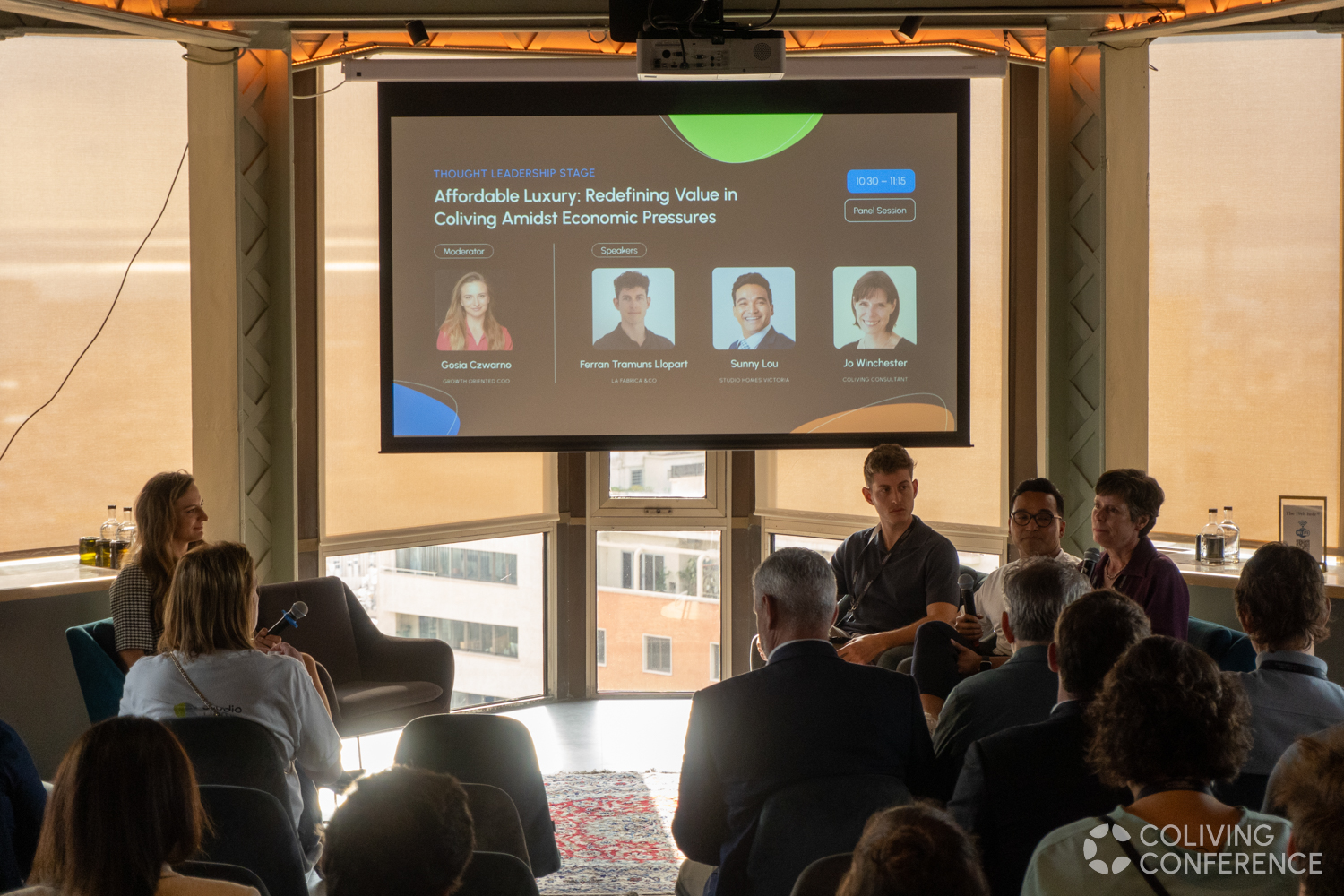
Affordable Luxury: Redefining Value in Coliving Amidst Economic Pressures
The Coliving Conference 2025 featured a thought-provoking panel discussion on how coliving brands deliver affordable luxury amidst rising costs, moderated by Gosia Czwarno. Panelists included Ferran Tramuns Llopart, Sunny Lou, and Jo Winchester. The session focused on how operators are redefining value for money, offering residents substantially more than just a private room - from intelligent spatial solutions and premium shared amenities to flexible contract models that resonate with contemporary, evolving lifestyles.
Looking to showcase?
Contribute. Share. Lead the Conversation.
Members can submit articles, news, jobs, events, and project showcases to share expertise and gain visibility within the coliving industry.
Finding this article helpful?
Log In or Become a Premium Member to Enjoy the Full Article!
Log in to keep reading, or become a member to gain full access to Coliving Insights!
full articles
user portal
easy filtering
Pulse market overviews
direct access & full details
Creating Working & Living Hubs for Hybrid Lifestyles
Creating Working & Living Hubs for Hybrid Lifestyles

Creating Working & Living Hubs for Hybrid Lifestyles
The Coliving Conference 2025 featured a thought-provoking panel discussion on how coliving has adapted to accommodate the workforce of today, moderated by Moyra Marval. Panelists included David Uriarte and Artūras Pitkauskas. The session focused on how the lines between residential and professional environments are becoming increasingly blurred as the workforce of today becomes more diverse. As the demand increases for spaces that are adaptable, connected, and conducive to both personal well-being and professional growth, developers and operators are now designing ecosystems that combine residential comfort with the flexibility of dynamic workspaces.
Looking to showcase?
Contribute. Share. Lead the Conversation.
Members can submit articles, news, jobs, events, and project showcases to share expertise and gain visibility within the coliving industry.
Finding this article helpful?
Log In or Become a Premium Member to Enjoy the Full Article!
Log in to keep reading, or become a member to gain full access to Coliving Insights!
full articles
user portal
easy filtering
Pulse market overviews
direct access & full details
Building the Coliving Blueprint: From Concept to Operation at Coliving Insights Talks
Building the Coliving Blueprint: From Concept to Operation at Coliving Insights Talks

Building the Coliving Blueprint: From Concept to Operation at Coliving Insights Talks
As coliving continues to grow as a scalable housing model, industry leaders are refining the blueprint for success. The second Coliving Insights Talks webinar, ‘Building the Coliving Blueprint’, brought together key figures to discuss the essential steps in creating a thriving coliving venture. From securing investment and structuring financial models to building engaged communities and streamlining operations, the discussion explored the key elements that contribute to long-term success.
Looking to showcase?
Contribute. Share. Lead the Conversation.
Members can submit articles, news, jobs, events, and project showcases to share expertise and gain visibility within the coliving industry.
Finding this article helpful?
Log In or Become a Premium Member to Enjoy the Full Article!
Log in to keep reading, or become a member to gain full access to Coliving Insights!
full articles
user portal
easy filtering
Pulse market overviews
direct access & full details
What’s Next for Coliving? Key Investment, Design and Development Trends Shaping 2025 at Coliving Insights Talks
What’s Next for Coliving? Key Investment, Design and Development Trends Shaping 2025 at Coliving Insights Talks

What’s Next for Coliving? Key Investment, Design and Development Trends Shaping 2025 at Coliving Insights Talks
What does the future hold for coliving? That was the question at the heart of Coliving Insights Talks' first webinar - ‘Coliving 2025 Trends in Review’. In this recap, we highlight the key insights shared by industry pioneers as they delved into the evolving market, shifting investment landscapes, and design innovations shaping shared living. Moderated by Bart Sasim, Co-Founder & Managing Director at Coliving Ventures, the discussion brought together Simon Chinn from the Urban Land Institute, Jo Winchester from Newmark, and John Badman of Gensler to share their expert perspectives.
Looking to showcase?
Contribute. Share. Lead the Conversation.
Members can submit articles, news, jobs, events, and project showcases to share expertise and gain visibility within the coliving industry.
Finding this article helpful?
Log In or Become a Premium Member to Enjoy the Full Article!
Log in to keep reading, or become a member to gain full access to Coliving Insights!
full articles
user portal
easy filtering
Pulse market overviews
direct access & full details
The Ultimate Coliving Stakeholder: Understanding Demand for Optimal Product Market Fit
The Ultimate Coliving Stakeholder: Understanding Demand for Optimal Product Market Fit

The Ultimate Coliving Stakeholder: Understanding Demand for Optimal Product Market Fit
The Coliving Conference 2024 featured a thought-provoking fireside chat with two coliving professionals who have lived the coliving experience firsthand and now work within the industry. Andreea Rusu and Kyle Gaarder shared their unique journey from residents to professionals working alongside operators and industry hubs provided a valuable perspective on how coliving spaces can evolve to better serve the needs of their communities.
Looking to showcase?
Contribute. Share. Lead the Conversation.
Members can submit articles, news, jobs, events, and project showcases to share expertise and gain visibility within the coliving industry.
Finding this article helpful?
Log In or Become a Premium Member to Enjoy the Full Article!
Log in to keep reading, or become a member to gain full access to Coliving Insights!
full articles
user portal
easy filtering
Pulse market overviews
direct access & full details
The Role of Modern FinTech in Optimising & Scaling Transaction Volumes
The Role of Modern FinTech in Optimising & Scaling Transaction Volumes
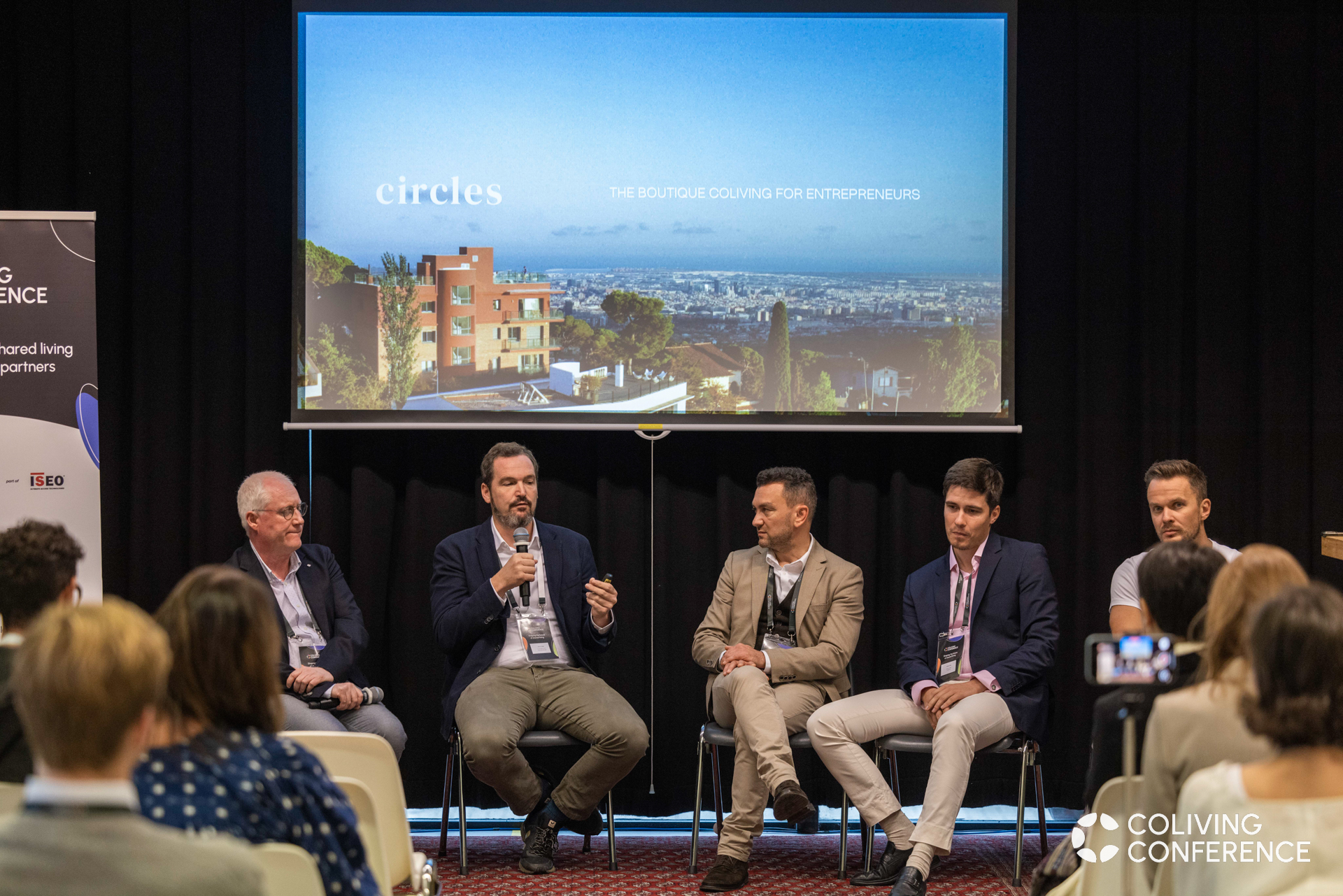
The Role of Modern FinTech in Optimising & Scaling Transaction Volumes
The Coliving Conference 2024 featured a thought-provoking panel discussion about financial technology (FinTech) and its transformative impact on transaction volumes within coliving moderated by Pascal De Keyser. Panelists included Enric Solé, Nicolas Erodiades, and Jerzy Lipiński, and Aleks Pes. This session examined innovative tools like blockchain, digital financial tooling and payment solutions, uncovering how they optimise business administration, financial operations and scale up of coliving ventures.
Looking to showcase?
Contribute. Share. Lead the Conversation.
Members can submit articles, news, jobs, events, and project showcases to share expertise and gain visibility within the coliving industry.
Finding this article helpful?
Log In or Become a Premium Member to Enjoy the Full Article!
Log in to keep reading, or become a member to gain full access to Coliving Insights!
full articles
user portal
easy filtering
Pulse market overviews
direct access & full details
Coliving's Flexibility in Crafting Offerings: From Affordable Comfort to Premium Experiences
Coliving's Flexibility in Crafting Offerings: From Affordable Comfort to Premium Experiences

Coliving's Flexibility in Crafting Offerings: From Affordable Comfort to Premium Experiences
The Coliving Conference 2024 featured a thought-provoking panel discussion about the flexibility of coliving models in catering to diverse offerings, ranging from affordable comfort to premium experiences moderated by Filip Schmidt. Panelists included Paula Narkiewicz, Carlos Muriel, and Kelly-anne Watson. This session examined the various segments within the coliving market, from budget-friendly options to high-end, luxury experiences.
Looking to showcase?
Contribute. Share. Lead the Conversation.
Members can submit articles, news, jobs, events, and project showcases to share expertise and gain visibility within the coliving industry.
Finding this article helpful?
Log In or Become a Premium Member to Enjoy the Full Article!
Log in to keep reading, or become a member to gain full access to Coliving Insights!
full articles
user portal
easy filtering
Pulse market overviews
direct access & full details
Investment Agenda: Exploring Challenges, Trends, Sentiment, and Indicators Driving Market Dynamics
Investment Agenda: Exploring Challenges, Trends, Sentiment, and Indicators Driving Market Dynamics

Investment Agenda: Exploring Challenges, Trends, Sentiment, and Indicators Driving Market Dynamics
The Coliving Conference 2024 featured a thought-provoking panel discussion about the investment landscape in coliving, including challenges, trends, sentiment analysis, and key market indicators moderated by Williams Johnson. Panelists included Christophe Vercarre, Steve Davis, and Jerzy Lipiński. This session analysed the current financing landscape in the coliving industry, including various funding options and sources of capital for developers and operators, providing valuable insights for investors and industry professionals.
Looking to showcase?
Contribute. Share. Lead the Conversation.
Members can submit articles, news, jobs, events, and project showcases to share expertise and gain visibility within the coliving industry.
Finding this article helpful?
Log In or Become a Premium Member to Enjoy the Full Article!
Log in to keep reading, or become a member to gain full access to Coliving Insights!
full articles
user portal
easy filtering
Pulse market overviews
direct access & full details
Global Outlook: Where and How Coliving Spreads its Wings
Global Outlook: Where and How Coliving Spreads its Wings

Global Outlook: Where and How Coliving Spreads its Wings
The Coliving Conference 2024 featured a thought-provoking panel discussion about the global expansion of coliving and the identification of key markets for future growth moderated by Bart Sasim. Panelists included Andrea Mastrogiacomo, Kahraman Yigit, Aleks Pes, and Michael Erd. From established markets to emerging hotspots, this session explored where coliving is thriving and where new opportunities are arising, as well as the factors influencing global expansion and how to navigate the complexities of entering new markets.
Looking to showcase?
Contribute. Share. Lead the Conversation.
Members can submit articles, news, jobs, events, and project showcases to share expertise and gain visibility within the coliving industry.
Finding this article helpful?
Log In or Become a Premium Member to Enjoy the Full Article!
Log in to keep reading, or become a member to gain full access to Coliving Insights!
full articles
user portal
easy filtering
Pulse market overviews
direct access & full details
How Does Nomadism Shape the Demand for Modern Real Estate & Hospitality?
How Does Nomadism Shape the Demand for Modern Real Estate & Hospitality?

How Does Nomadism Shape the Demand for Modern Real Estate & Hospitality?
The Coliving Conference 2024 featured a thought-provoking panel discussion exploring the nuanced needs and preferences of modern nomads and how to design spaces that cater to the growing nomadic demographic moderated by Anna Maria Kochanska. Panelists included Nacho Rodriguez, Enric Solé, Frédéric Geoffrois, and Juan Aramburo. This session explored the characteristics and expectations of digital nomads and how these factors influence their choice of living and working spaces.
Looking to showcase?
Contribute. Share. Lead the Conversation.
Members can submit articles, news, jobs, events, and project showcases to share expertise and gain visibility within the coliving industry.
Finding this article helpful?
Log In or Become a Premium Member to Enjoy the Full Article!
Log in to keep reading, or become a member to gain full access to Coliving Insights!
full articles
user portal
easy filtering
Pulse market overviews
direct access & full details
Mastering the Coliving Blueprint: Strategies for Asset Lifecycle Optimisation
Mastering the Coliving Blueprint: Strategies for Asset Lifecycle Optimisation

Mastering the Coliving Blueprint: Strategies for Asset Lifecycle Optimisation
The Coliving Conference 2024 featured a thought-provoking panel discussion on comprehensive strategies for optimising the lifecycle of coliving assets, moderated by Aitana de Jong. Panelists included Katherine Rose, Ali Ravanshad, George Ahye, and Tim Chapman-Cavanagh. The session focused on key strategies for optimising the lifecycle of coliving assets, from initial design to long-term management.
Looking to showcase?
Contribute. Share. Lead the Conversation.
Members can submit articles, news, jobs, events, and project showcases to share expertise and gain visibility within the coliving industry.
Finding this article helpful?
Log In or Become a Premium Member to Enjoy the Full Article!
Log in to keep reading, or become a member to gain full access to Coliving Insights!
full articles
user portal
easy filtering
Pulse market overviews
direct access & full details
Data Driven Design for Enhancing Human Interaction
Data Driven Design for Enhancing Human Interaction

Data Driven Design for Enhancing Human Interaction
The Coliving Conference 2024 featured a thought-provoking panel discussion on the intersection of data and design in coliving spaces, moderated by Martina Pardo. Panelists included Alessandro Nacci, Marthijn Pool, Seth Rutt, and Erwin Buckers. The session focused on how to leverage data-driven design principles to foster stronger connections and more engaged communities within coliving environments.
Looking to showcase?
Contribute. Share. Lead the Conversation.
Members can submit articles, news, jobs, events, and project showcases to share expertise and gain visibility within the coliving industry.
Finding this article helpful?
Log In or Become a Premium Member to Enjoy the Full Article!
Log in to keep reading, or become a member to gain full access to Coliving Insights!
full articles
user portal
easy filtering
Pulse market overviews
direct access & full details
What can AI do for Coliving?
What can AI do for Coliving?
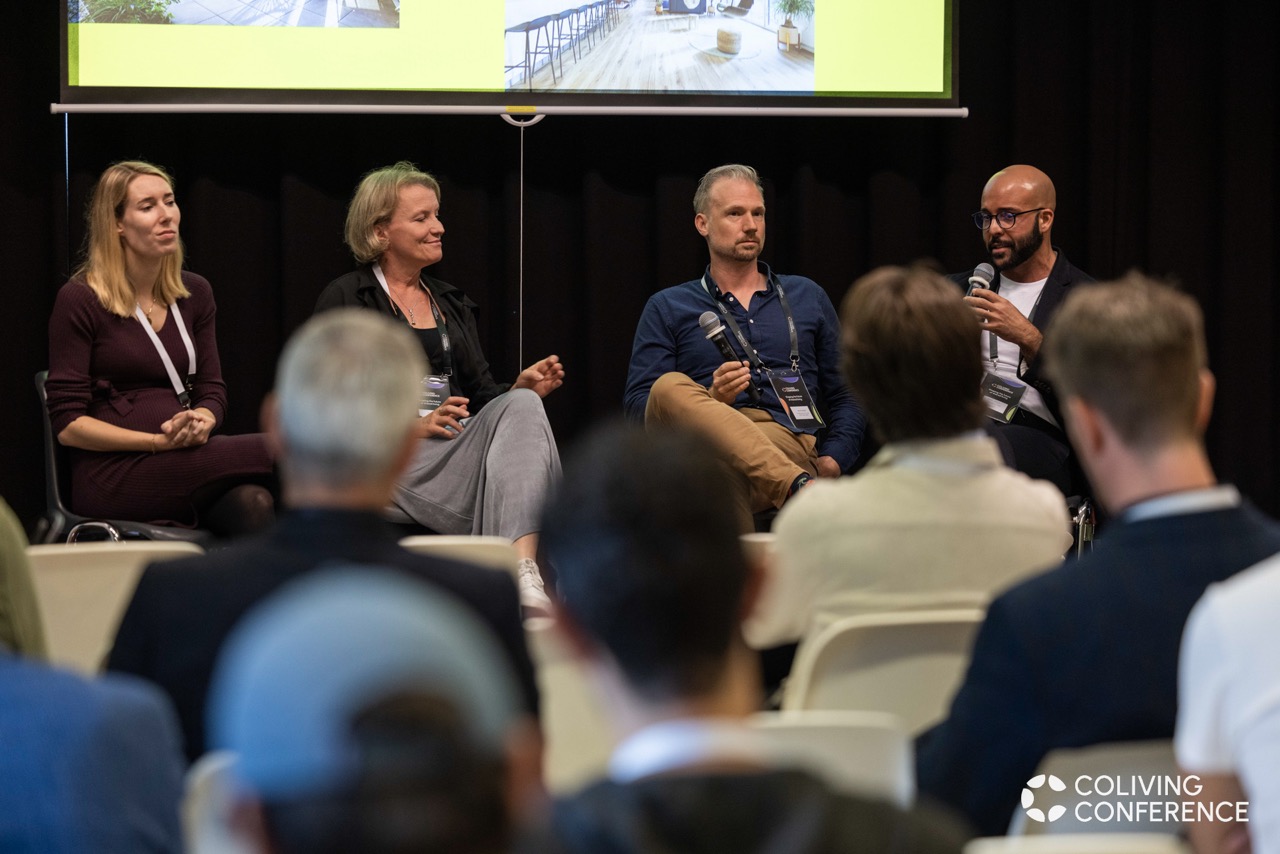
What can AI do for Coliving?
The Coliving Conference 2024 featured a thought-provoking panel discussion on the potential applications of artificial intelligence in optimising coliving spaces and experiences, moderated by José Llanos. Panelists included Lea Mishra, Dr. Hendrik Braun, and Dr. Dorota Iskra. The session focused on how AI is reshaping the landscape of shared living environments, from personalised space optimisation to predictive maintenance, revolutionising the way we design, manage, scale and experience communal living at large.
Looking to showcase?
Contribute. Share. Lead the Conversation.
Members can submit articles, news, jobs, events, and project showcases to share expertise and gain visibility within the coliving industry.
Finding this article helpful?
Log In or Become a Premium Member to Enjoy the Full Article!
Log in to keep reading, or become a member to gain full access to Coliving Insights!
full articles
user portal
easy filtering
Pulse market overviews
direct access & full details
Exploring Destination Coliving: Nomad Communities and the Rise of Rural Retreats
Exploring Destination Coliving: Nomad Communities and the Rise of Rural Retreats

Exploring Destination Coliving: Nomad Communities and the Rise of Rural Retreats
The Coliving Conference 2024 featured a thought-provoking panel discussion on the analysis of the rise of Destination Coliving and its appeal to digital nomads seeking unique, immersive living experiences, moderated by Haz Memon. Panelists included Katia Dimova, Christine Bay, and Ana Sousa. The session focused on the appeal of beyond city settings for those seeking unique living and working environments, and discovering the transformative potential of Destination Coliving projects. Key discussions entailed how to bridge hospitality and community in urban hubs, and operational realities and lessons from these industry experts.
Looking to showcase?
Contribute. Share. Lead the Conversation.
Members can submit articles, news, jobs, events, and project showcases to share expertise and gain visibility within the coliving industry.
Finding this article helpful?
Log In or Become a Premium Member to Enjoy the Full Article!
Log in to keep reading, or become a member to gain full access to Coliving Insights!
full articles
user portal
easy filtering
Pulse market overviews
direct access & full details
From Coliving 1.0 to 2.0: Next Generation of Community Driven Real Estate.
From Coliving 1.0 to 2.0: Next Generation of Community Driven Real Estate.
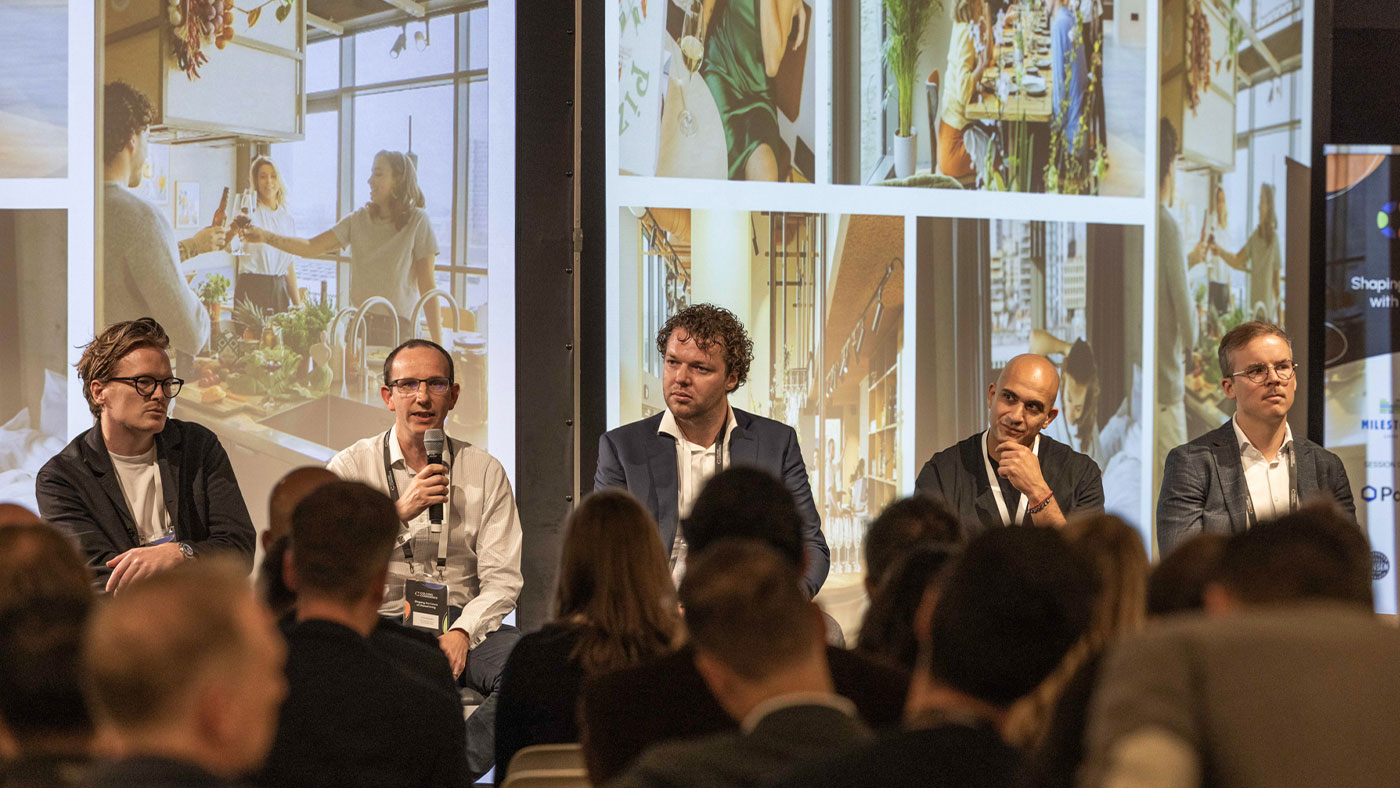
From Coliving 1.0 to 2.0: Next Generation of Community Driven Real Estate.
As coliving evolves, industry leaders are refining its future. The Coliving Conference 2024 panel discussion explored the shift from Coliving 1.0 to 2.0, focusing on community-driven real estate and innovative concepts like hybrid hotels and purpose-built properties. Key topics included addressing diverse audiences, navigating international expansion, and attracting institutional investors. The discussion highlighted emerging markets and the potential for senior-focused developments, emphasising the need for diversified revenue streams and community-driven products.
Looking to showcase?
Contribute. Share. Lead the Conversation.
Members can submit articles, news, jobs, events, and project showcases to share expertise and gain visibility within the coliving industry.
Finding this article helpful?
Log In or Become a Premium Member to Enjoy the Full Article!
Log in to keep reading, or become a member to gain full access to Coliving Insights!
full articles
user portal
easy filtering
Pulse market overviews
direct access & full details
The Role of Coliving & Shared Living in the Cities of Tomorrow
The Role of Coliving & Shared Living in the Cities of Tomorrow

The Role of Coliving & Shared Living in the Cities of Tomorrow
The Coliving Conference 2024 featured a thought-provoking panel discussion on the future of coliving and communal living in urban areas, moderated by Wouter Onclin. Panelists included Matt Driscoll, Michiel Voskamp, Russell Garnett, and Joost Kool. The session focused on the importance of designing spaces that foster community and emphasised the roles of operators and community managers in cultivating vibrant, people-driven cultures. Key discussions centered on regulatory challenges, including the need to balance housing needs with rental subsidy management and the future of coliving. The panelists envisioned the evolution of coliving over the next five years, advocating for innovative development and collaborative planning in countries like the Netherlands and the UK.
Looking to showcase?
Contribute. Share. Lead the Conversation.
Members can submit articles, news, jobs, events, and project showcases to share expertise and gain visibility within the coliving industry.
Finding this article helpful?
Log In or Become a Premium Member to Enjoy the Full Article!
Log in to keep reading, or become a member to gain full access to Coliving Insights!
full articles
user portal
easy filtering
Pulse market overviews
direct access & full details
Active Ageing: Redefining Senior Housing with Coliving
Active Ageing: Redefining Senior Housing with Coliving
Active Ageing: Redefining Senior Housing with Coliving
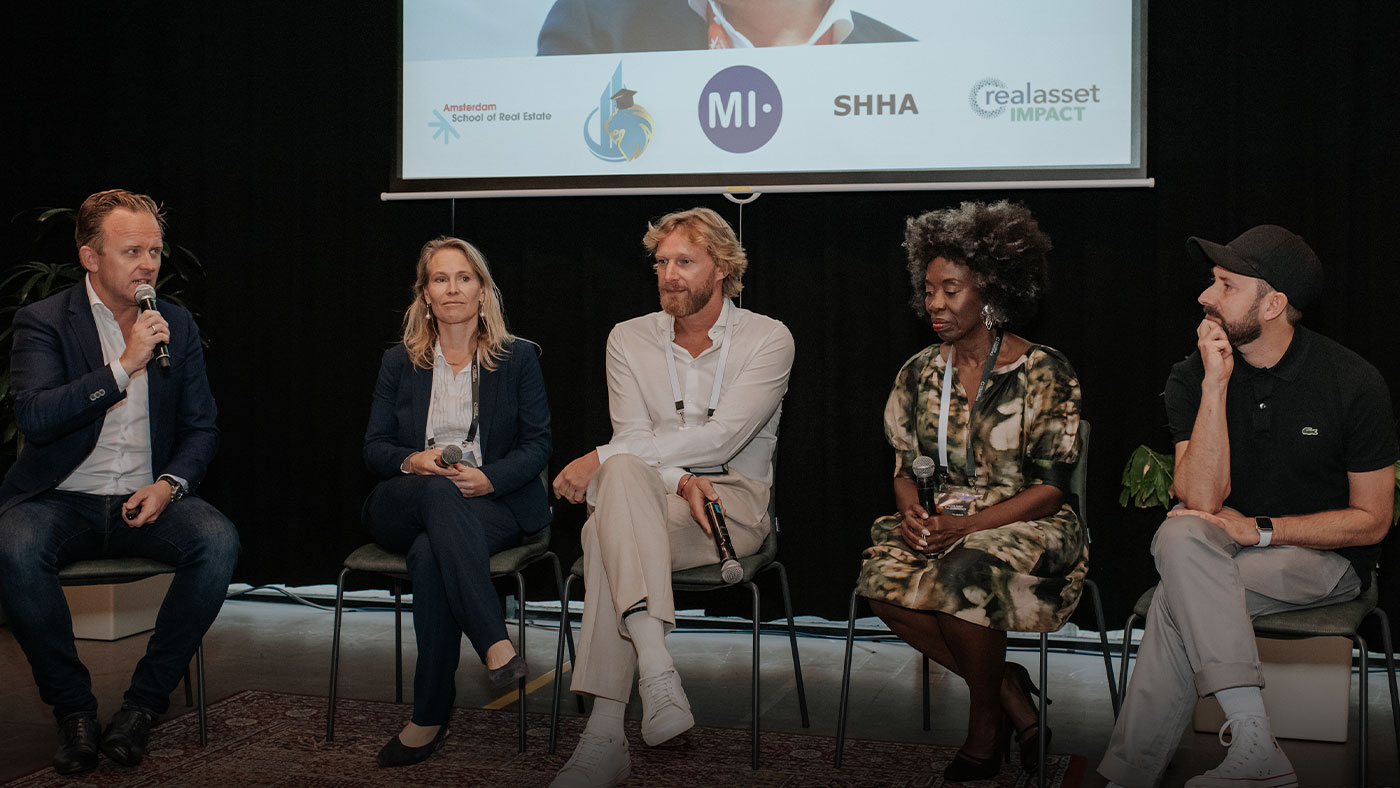
This article from the inaugural Coliving Conference 2023 spotlights the growing potential of coliving for active ageing communities. Brought to you in collaboration with Coliving Conference, it reimagines senior housing with adaptability, community, and engagement at its core. Preview how coliving is transforming senior living — read the complete piece on Coliving Insights.
Looking to showcase?
Contribute. Share. Lead the Conversation.
Members can submit articles, news, jobs, events, and project showcases to share expertise and gain visibility within the coliving industry.
Finding this article helpful?
Log In or Become a Premium Member to Enjoy the Full Article!
Log in to keep reading, or become a member to gain full access to Coliving Insights!
full articles
user portal
easy filtering
Pulse market overviews
direct access & full details
Resident Perspectives: A Guide to Improving Services for Optimal User Experiences
Resident Perspectives: A Guide to Improving Services for Optimal User Experiences

Resident Perspectives: A Guide to Improving Services for Optimal User Experiences
This article, features a recap from a Showcase stage panel session at the Coliving Conference 2023 that brought resident experiences to the forefront. Developed in partnership with Coliving Conference, it provides a preview of how resident feedback is shaping service innovation and satisfaction in coliving spaces. Uncover the keys to optimizing user experiences — find the full article on Coliving Insights.
Looking to showcase?
Contribute. Share. Lead the Conversation.
Members can submit articles, news, jobs, events, and project showcases to share expertise and gain visibility within the coliving industry.
Finding this article helpful?
Log In or Become a Premium Member to Enjoy the Full Article!
Log in to keep reading, or become a member to gain full access to Coliving Insights!
full articles
user portal
easy filtering
Pulse market overviews
direct access & full details
Redefining Coliving Investment: Empowering Portfolio Growth with Alternative Financing
Redefining Coliving Investment: Empowering Portfolio Growth with Alternative Financing

Redefining Coliving Investment: Empowering Portfolio Growth with Alternative Financing
As part of the Coliving Conference 2023 series of articles, this recap offers a glimpse into innovative financing strategies driving portfolio growth. Created in collaboration with Coliving Conference, it showcases how alternative investments are transforming the coliving landscape. Discover the financial trends shaping the future of shared living — read more on Coliving Insights.
Looking to showcase?
Contribute. Share. Lead the Conversation.
Members can submit articles, news, jobs, events, and project showcases to share expertise and gain visibility within the coliving industry.
Finding this article helpful?
Log In or Become a Premium Member to Enjoy the Full Article!
Log in to keep reading, or become a member to gain full access to Coliving Insights!
full articles
user portal
easy filtering
Pulse market overviews
direct access & full details
Beyond the City: Exploring Remote & Nomad Coliving
Beyond the City: Exploring Remote & Nomad Coliving

Beyond the City: Exploring Remote & Nomad Coliving
This article, from the first Coliving Conference 2023, redefines the boundaries of home and work through the lens of remote and nomad coliving. In partnership with Coliving Conference, it highlights the trends and opportunities that cater to digital nomads and remote workers. Explore how these communities are reshaping modern living - read the complete feature on Coliving Insights.
Looking to showcase?
Contribute. Share. Lead the Conversation.
Members can submit articles, news, jobs, events, and project showcases to share expertise and gain visibility within the coliving industry.
Finding this article helpful?
Log In or Become a Premium Member to Enjoy the Full Article!
Log in to keep reading, or become a member to gain full access to Coliving Insights!
full articles
user portal
easy filtering
Pulse market overviews
direct access & full details
DACH: Market Updates, Opportunities & Investments
DACH: Market Updates, Opportunities & Investments

DACH: Market Updates, Opportunities & Investments
Discover the unique dynamics of the DACH coliving market in this article from the inaugural Coliving Conference 2023. Developed in collaboration with Coliving Conference, it unveils expansion strategies, investment prospects, and opportunities tailored to this thriving market. This recap sets the stage for a deeper dive into the factors driving coliving success in the DACH region — read the full article on Coliving Insights.
Looking to showcase?
Contribute. Share. Lead the Conversation.
Members can submit articles, news, jobs, events, and project showcases to share expertise and gain visibility within the coliving industry.
Finding this article helpful?
Log In or Become a Premium Member to Enjoy the Full Article!
Log in to keep reading, or become a member to gain full access to Coliving Insights!
full articles
user portal
easy filtering
Pulse market overviews
direct access & full details
Iberia: Market Updates, Opportunities & Investments
Iberia: Market Updates, Opportunities & Investments

Iberia: Market Updates, Opportunities & Investments
Dive into the dynamic Iberian coliving market with this article from the inaugural Coliving Conference 2023. Created in partnership with Coliving Conference, it unpacks strategies to overcome affordability challenges and adapt to rising demand. Preview how coliving is evolving in Portugal and Spain — access the complete recap on Coliving Insights.
Looking to showcase?
Contribute. Share. Lead the Conversation.
Members can submit articles, news, jobs, events, and project showcases to share expertise and gain visibility within the coliving industry.
Finding this article helpful?
Log In or Become a Premium Member to Enjoy the Full Article!
Log in to keep reading, or become a member to gain full access to Coliving Insights!
full articles
user portal
easy filtering
Pulse market overviews
direct access & full details
Bridging the Gap: Harmonising Coliving Policies & Regulations
Bridging the Gap: Harmonising Coliving Policies & Regulations

Bridging the Gap: Harmonising Coliving Policies & Regulations
From the Market Insights discussions at the Coliving Conference 2023, this article delves into the complexities of coliving regulations across Europe. In collaboration with Coliving Conference, it highlights strategies for achieving harmony and fostering collaboration in this diverse landscape. Unlock insights on creating consistent policies for coliving success — read more on Coliving Insights.
Looking to showcase?
Contribute. Share. Lead the Conversation.
Members can submit articles, news, jobs, events, and project showcases to share expertise and gain visibility within the coliving industry.
Finding this article helpful?
Log In or Become a Premium Member to Enjoy the Full Article!
Log in to keep reading, or become a member to gain full access to Coliving Insights!
full articles
user portal
easy filtering
Pulse market overviews
direct access & full details
Benelux: Market Updates, Opportunities & Investments
Benelux: Market Updates, Opportunities & Investments

Benelux: Market Updates, Opportunities & Investments
This article, originating from the first edition of the Coliving Conference 2023, explores the vibrant coliving landscape in Benelux. Created in partnership with Coliving Conference, it examines strategies like sustainability, accessibility, and stakeholder collaboration that are fueling regional growth. Get an inside look at the transformative potential of coliving in Benelux — find the full article on Coliving Insights.
Looking to showcase?
Contribute. Share. Lead the Conversation.
Members can submit articles, news, jobs, events, and project showcases to share expertise and gain visibility within the coliving industry.
Finding this article helpful?
Log In or Become a Premium Member to Enjoy the Full Article!
Log in to keep reading, or become a member to gain full access to Coliving Insights!
full articles
user portal
easy filtering
Pulse market overviews
direct access & full details
UK: Market Updates, Opportunities & Investments
UK: Market Updates, Opportunities & Investments

UK: Market Updates, Opportunities & Investments
Discover the unique dynamics of the UK coliving market in this article from the inaugural Coliving Conference 2023. Developed in collaboration with Coliving Conference, it unveils growth strategies, investor trends, and opportunities tailored to this thriving market. This recap sets the stage for a deeper dive into the factors driving coliving success in the UK — read the full article on Coliving Insights.
Looking to showcase?
Contribute. Share. Lead the Conversation.
Members can submit articles, news, jobs, events, and project showcases to share expertise and gain visibility within the coliving industry.
Finding this article helpful?
Log In or Become a Premium Member to Enjoy the Full Article!
Log in to keep reading, or become a member to gain full access to Coliving Insights!
full articles
user portal
easy filtering
Pulse market overviews
direct access & full details
Co-Tech: Pioneering the Convergence of Technology and Community Living
Co-Tech: Pioneering the Convergence of Technology and Community Living

Co-Tech: Pioneering the Convergence of Technology and Community Living
At the intersection of technology and shared living, this article from the inaugural Coliving Conference 2023 unveils a tech-powered future for coliving. Created in collaboration with Coliving Conference, it explores groundbreaking innovations shaping operations and fostering connections. Discover how technology is redefining the community experience — find the complete article on Coliving Insights.
Looking to showcase?
Contribute. Share. Lead the Conversation.
Members can submit articles, news, jobs, events, and project showcases to share expertise and gain visibility within the coliving industry.
Finding this article helpful?
Log In or Become a Premium Member to Enjoy the Full Article!
Log in to keep reading, or become a member to gain full access to Coliving Insights!
full articles
user portal
easy filtering
Pulse market overviews
direct access & full details
Driving Change: Coliving’s Role in ESG & Social Impact
Driving Change: Coliving’s Role in ESG & Social Impact
Driving Change: Coliving’s Role in ESG & Social Impact
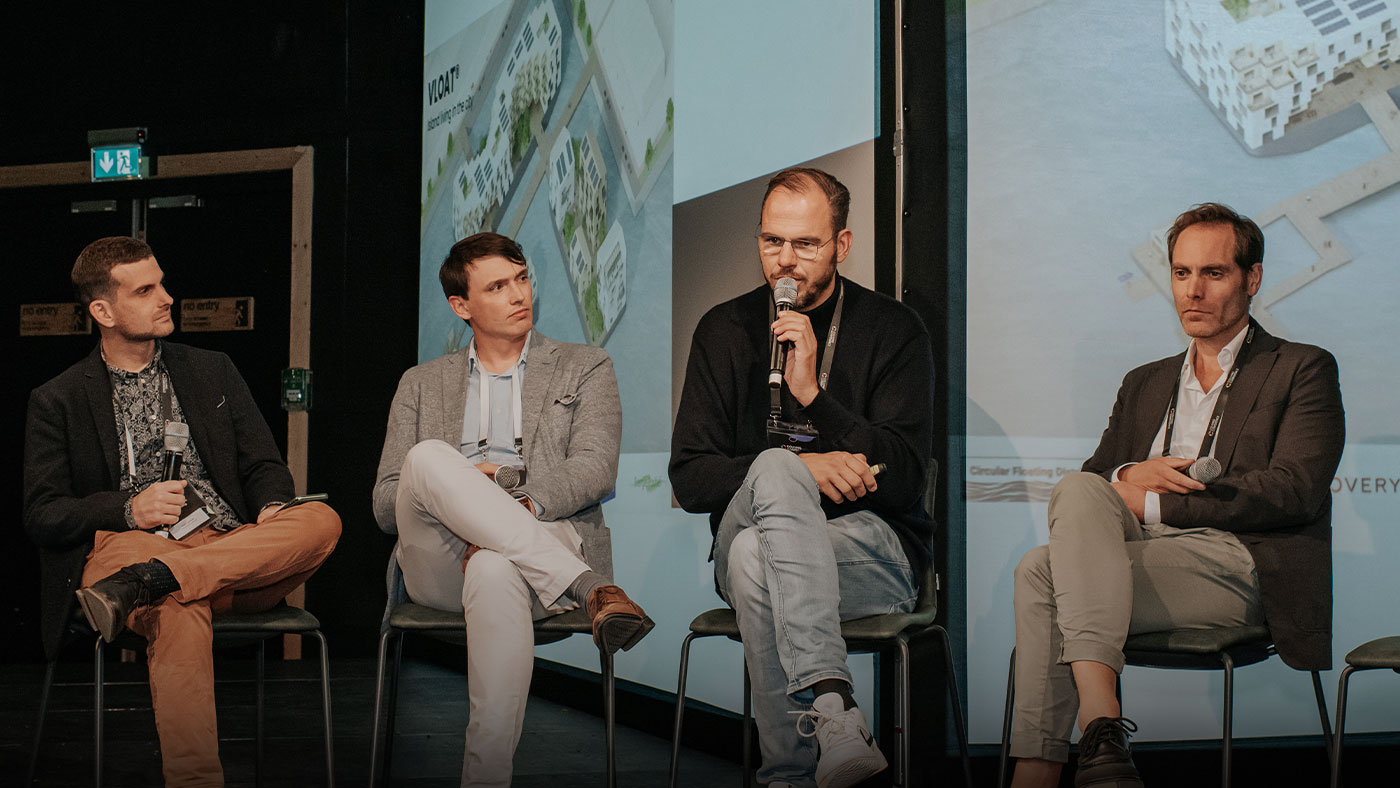
Coliving is sparking social and environmental transformation, as detailed in this article from the 2023 Coliving Conference. Developed with Coliving Conference, the article delves into ESG-driven initiatives and their profound impacts on shared living. Get a glimpse of how the sector is redefining sustainability and community engagement - explore more on Coliving Insights.
Looking to showcase?
Contribute. Share. Lead the Conversation.
Members can submit articles, news, jobs, events, and project showcases to share expertise and gain visibility within the coliving industry.
Finding this article helpful?
Log In or Become a Premium Member to Enjoy the Full Article!
Log in to keep reading, or become a member to gain full access to Coliving Insights!
full articles
user portal
easy filtering
Pulse market overviews
direct access & full details
Meeting Market Demand: Strategies for Scaling Coliving Brands
Meeting Market Demand: Strategies for Scaling Coliving Brands

Meeting Market Demand: Strategies for Scaling Coliving Brands
Direct from the Thought Leadership Stage at the first Coliving Conference 2023, this article reveals the strategies behind scaling coliving brands sustainably. In partnership with Coliving Conference, it highlights how innovation, accessibility, and collaboration meet dynamic market demands. Dive into the key tactics shaping the industry's future — access the complete article on Coliving Insights.
Looking to showcase?
Contribute. Share. Lead the Conversation.
Members can submit articles, news, jobs, events, and project showcases to share expertise and gain visibility within the coliving industry.
Finding this article helpful?
Log In or Become a Premium Member to Enjoy the Full Article!
Log in to keep reading, or become a member to gain full access to Coliving Insights!
full articles
user portal
easy filtering
Pulse market overviews
direct access & full details
Cross-Learning: The Evolution from PBSA to Coliving & PBSL
Cross-Learning: The Evolution from PBSA to Coliving & PBSL

Cross-Learning: The Evolution from PBSA to Coliving & PBSL
This article is a recap of a panel session from the 2023 Coliving Conference, where experts explored the future of communal living through PBSA, coliving, and hybrid models. Curated in collaboration with Coliving Conference, it highlights the evolving opportunities, challenges, and transformative potential of shared living solutions. Discover how these housing models are shaping the future — read the full article on Coliving Insights.
Looking to showcase?
Contribute. Share. Lead the Conversation.
Members can submit articles, news, jobs, events, and project showcases to share expertise and gain visibility within the coliving industry.
Finding this article helpful?
Log In or Become a Premium Member to Enjoy the Full Article!
Log in to keep reading, or become a member to gain full access to Coliving Insights!
full articles
user portal
easy filtering
Pulse market overviews
direct access & full details
Hybrid Horizons: Redefining Hospitality & Living Experiences
Hybrid Horizons: Redefining Hospitality & Living Experiences

Hybrid Horizons: Redefining Hospitality & Living Experiences
From the first edition of the Coliving Conference 2023, this article unravels the fusion of coliving and hospitality, redefining the boundaries of how we live, work, and socialise. Brought to you in collaboration with Coliving Conference, it highlights innovative design and adaptable spaces that reflect the future of shared living. Get a glimpse into the hybrid paradigm and unlock the full insights available on Coliving Insights.
Looking to showcase?
Contribute. Share. Lead the Conversation.
Members can submit articles, news, jobs, events, and project showcases to share expertise and gain visibility within the coliving industry.
Finding this article helpful?
Log In or Become a Premium Member to Enjoy the Full Article!
Log in to keep reading, or become a member to gain full access to Coliving Insights!
full articles
user portal
easy filtering
Pulse market overviews
direct access & full details
Experience-Driven Shared Living: Coliving as a Lifestyle & Life Stage
Experience-Driven Shared Living: Coliving as a Lifestyle & Life Stage

Experience-Driven Shared Living: Coliving as a Lifestyle & Life Stage
This article, part of an exclusive series from the inaugural Coliving Conference 2023, takes you deep into the transformative potential of coliving as a lifestyle. Crafted in collaboration with Coliving Conference, it explores how thoughtful community-building, sustainable design, and operational innovation shape thriving shared living spaces. Discover the core of what makes coliving a resilient and evolving lifestyle solution. Read the full article on Coliving Insights.
Looking to showcase?
Contribute. Share. Lead the Conversation.
Members can submit articles, news, jobs, events, and project showcases to share expertise and gain visibility within the coliving industry.
Finding this article helpful?
Log In or Become a Premium Member to Enjoy the Full Article!
Log in to keep reading, or become a member to gain full access to Coliving Insights!
full articles
user portal
easy filtering
Pulse market overviews
direct access & full details
Coliving. Time to grow up.
Coliving. Time to grow up.

Coliving. Time to grow up.
The coliving sector is at a crucial stage in its growth, but without clear benchmarks for the asset class, it could be stifled. In this article, Richard Lustigman, Head of Coliving at JLL Capital Markets, discusses the need for coliving professionals to evolve their products to deliver the impact they have the potential for, and the importance of setting minimum standards without suppressing innovation.
Looking to showcase?
Contribute. Share. Lead the Conversation.
Members can submit articles, news, jobs, events, and project showcases to share expertise and gain visibility within the coliving industry.
Finding this article helpful?
Log In or Become a Premium Member to Enjoy the Full Article!
Log in to keep reading, or become a member to gain full access to Coliving Insights!
full articles
user portal
easy filtering
Pulse market overviews
direct access & full details
It’s time for intergenerational coliving
It’s time for intergenerational coliving

It’s time for intergenerational coliving
Senior living investor Jorge Fonseca discusses intergenerational coliving and the need for more hybrid typologies. Exploring the role of senior housing, he highlights pandemic-driven societal changes and envisions the evolution of coliving, urging the real estate industry to create innovative models for independent living.
Looking to showcase?
Contribute. Share. Lead the Conversation.
Members can submit articles, news, jobs, events, and project showcases to share expertise and gain visibility within the coliving industry.
Finding this article helpful?
Log In or Become a Premium Member to Enjoy the Full Article!
Log in to keep reading, or become a member to gain full access to Coliving Insights!
full articles
user portal
easy filtering
Pulse market overviews
direct access & full details
When isolation is the new black, does coliving still make sense?
When isolation is the new black, does coliving still make sense?
When isolation is the new black, does coliving still make sense?
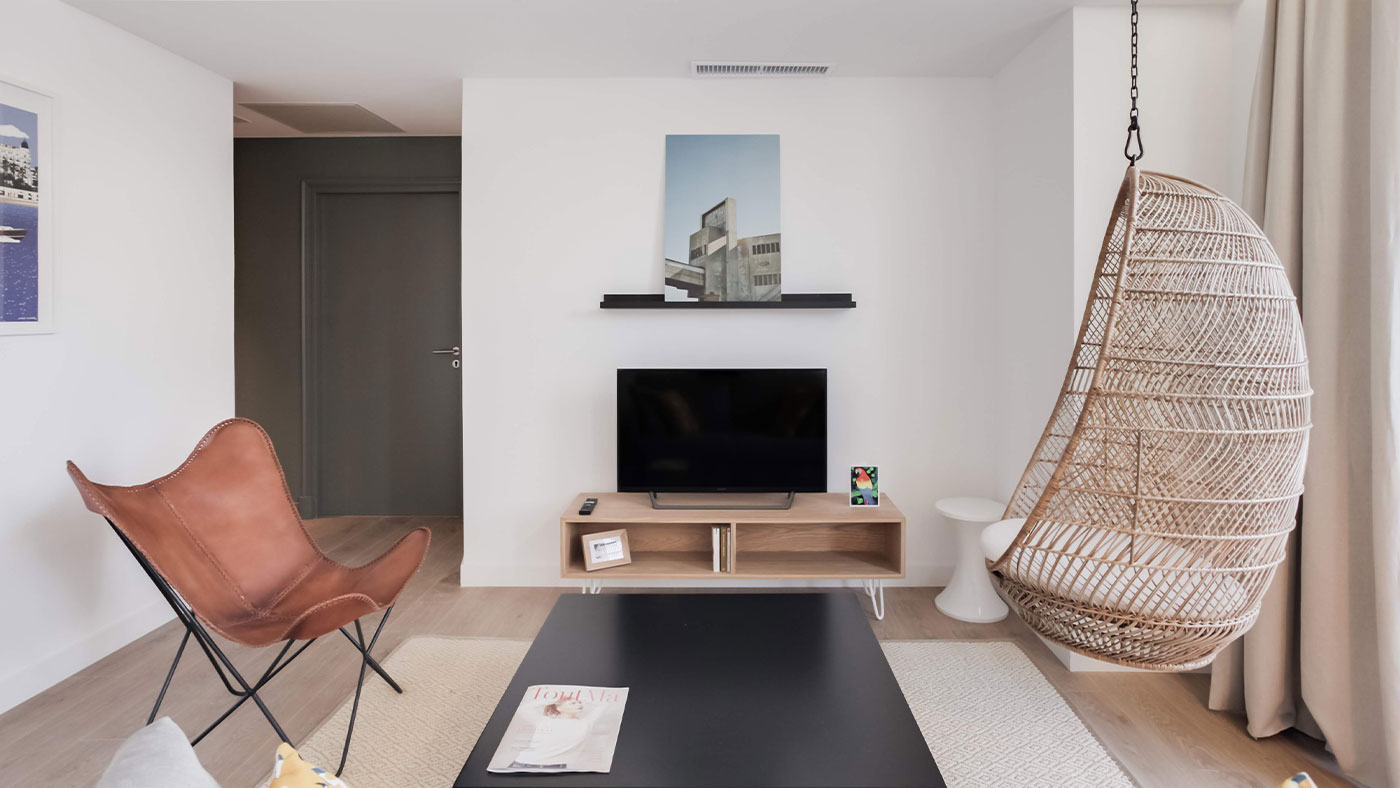
There is no denying that community is at the core of the coliving concept. COVID-19 obliged us to keep a distance and to limit our interactions with each other, putting our capacity to keep the community alive to the test. In this context, does coliving still make sense? Christina Wooning-Apicella of THE BABEL COMMUNITY shares her thoughts.
Looking to showcase?
Contribute. Share. Lead the Conversation.
Members can submit articles, news, jobs, events, and project showcases to share expertise and gain visibility within the coliving industry.
Finding this article helpful?
Log In or Become a Premium Member to Enjoy the Full Article!
Log in to keep reading, or become a member to gain full access to Coliving Insights!
full articles
user portal
easy filtering
Pulse market overviews
direct access & full details
Pivot to essential: how Outpost Club housed dozens of nurses during a pandemic
Pivot to essential: how Outpost Club housed dozens of nurses during a pandemic

Pivot to essential: how Outpost Club housed dozens of nurses during a pandemic
Discover from Jacob Shapiro how Outpost Club adapted their business model to support New York-bound nurses during the pandemic, showcasing their agile culture and community-driven approach to overcome logistical, financial, and pandemic-related obstacles.
Looking to showcase?
Contribute. Share. Lead the Conversation.
Members can submit articles, news, jobs, events, and project showcases to share expertise and gain visibility within the coliving industry.
Finding this article helpful?
Log In or Become a Premium Member to Enjoy the Full Article!
Log in to keep reading, or become a member to gain full access to Coliving Insights!
full articles
user portal
easy filtering
Pulse market overviews
direct access & full details
COCO: Collaboration and Cooperation for High-End Cosmopolitan Shared Living
COCO: Collaboration and Cooperation for High-End Cosmopolitan Shared Living

COCO: Collaboration and Cooperation for High-End Cosmopolitan Shared Living
According to COCO Community (COCO), coliving means cool places to live, work and socialise, with ambitious talks and events dedicated to international and local colivers. The branding behind the COCO vision was created by design agency The Letter O., who helped them develop their brand since they founded in 2019. COCO aims to have a major role in developing the high-scale segment of coliving and especially coliving for international professionals, with locations in the very centre of international cities, starting with Le Marais in Paris. As finalists for the Coliving Awards 2021 in the Branding & Marketing category, Coliving Insights reached out to them to hear how their brand has evolved in the last few months and spoke with Founder Frédéric Geoffrois about how they position and market themselves in the coliving world and how their positioning is helping evolve the sector.
Looking to showcase?
Contribute. Share. Lead the Conversation.
Members can submit articles, news, jobs, events, and project showcases to share expertise and gain visibility within the coliving industry.
Finding this article helpful?
Log In or Become a Premium Member to Enjoy the Full Article!
Log in to keep reading, or become a member to gain full access to Coliving Insights!
full articles
user portal
easy filtering
Pulse market overviews
direct access & full details
Branding and Marketing For 21st Century Urban Living
Branding and Marketing For 21st Century Urban Living

Branding and Marketing For 21st Century Urban Living
The winners of the Coliving Awards 2021 ‘Branding & Marketing’ category, OurDomain has developed a strong presence in the coliving and specialist real estate sectors. OurDomain is managed by Greystar, and offers 21st- century urban living for students, young professionals and all who are attracted to vibrant city life. In this article, Coliving Insights speaks with Anke Storms, Marketing Executive at Greystar Europe, about how OurDomain has developed their award-winning brand and how Greystar’s track record has helped them along the way.
Looking to showcase?
Contribute. Share. Lead the Conversation.
Members can submit articles, news, jobs, events, and project showcases to share expertise and gain visibility within the coliving industry.
Finding this article helpful?
Log In or Become a Premium Member to Enjoy the Full Article!
Log in to keep reading, or become a member to gain full access to Coliving Insights!
full articles
user portal
easy filtering
Pulse market overviews
direct access & full details
LOFT's Purpose Built Shared Living Products are Helping Propel the Sector
LOFT's Purpose Built Shared Living Products are Helping Propel the Sector

LOFT's Purpose Built Shared Living Products are Helping Propel the Sector
Presenting your brand as people-centric is easy; following through and providing a coliving solution that addresses pressing human needs in a time of widespread isolation is a much taller task. LOFT lives up to its People First identity by offering responsive, agile and community-oriented interior solutions that are solidifying coliving’s place as the asset class not just of the future, but that which solves the issues of the present. In this article, Benjamin Hall shows us exactly how LOFT delivers on its promise and how you can, too.
Looking to showcase?
Contribute. Share. Lead the Conversation.
Members can submit articles, news, jobs, events, and project showcases to share expertise and gain visibility within the coliving industry.
Finding this article helpful?
Log In or Become a Premium Member to Enjoy the Full Article!
Log in to keep reading, or become a member to gain full access to Coliving Insights!
full articles
user portal
easy filtering
Pulse market overviews
direct access & full details
Embedding Impact Throughout Shared Living Brands
Embedding Impact Throughout Shared Living Brands

Embedding Impact Throughout Shared Living Brands
Vitanovae is an impact-driven investor-operator based in France. Their aim is to make their spaces accessible to as many people as possible while guaranteeing a high level of comfort and reducing their environmental impact. They operate shared spaces – including coliving spaces, community gardens and other third spaces (e.g. open kitchens) – within the same neighbourhood to offer a network of services to their residents and to encourage exchanges and mutual support systems. In this interview with Co-Founder Fabrice Simondi, Coliving Insights explores what it means to embed impact and sustainability at the core of a shared living brand, and how that influences all design decisions, from design to operations to marketing and even investment.
Looking to showcase?
Contribute. Share. Lead the Conversation.
Members can submit articles, news, jobs, events, and project showcases to share expertise and gain visibility within the coliving industry.
Finding this article helpful?
Log In or Become a Premium Member to Enjoy the Full Article!
Log in to keep reading, or become a member to gain full access to Coliving Insights!
full articles
user portal
easy filtering
Pulse market overviews
direct access & full details
How to Enhance Online Brand Awareness and Marketing Funnels With the Latest Digital Solutions?
How to Enhance Online Brand Awareness and Marketing Funnels With the Latest Digital Solutions?

How to Enhance Online Brand Awareness and Marketing Funnels With the Latest Digital Solutions?
Marketing your coliving brand is not just a top-of-the-funnel process; with the wide array and accessibility of high quality digital marketing solutions, your efforts can become interwoven from the start of the customer journey to even beyond its end point. By applying proper marketing techniques in combination with the right tools, you can engage your prospective (and current) residents at every touchpoint. In this article, our partners at Digital Estate take you through every step of that journey and provide a glimpse into the wide range of solutions, procedures and benefits that digital marketing can offer to help you build a high-growth shared living brand.
Looking to showcase?
Contribute. Share. Lead the Conversation.
Members can submit articles, news, jobs, events, and project showcases to share expertise and gain visibility within the coliving industry.
Finding this article helpful?
Log In or Become a Premium Member to Enjoy the Full Article!
Log in to keep reading, or become a member to gain full access to Coliving Insights!
full articles
user portal
easy filtering
Pulse market overviews
direct access & full details
How Innovative Tech Attracts Customers that Support Your Coliving Brand
How Innovative Tech Attracts Customers that Support Your Coliving Brand

How Innovative Tech Attracts Customers that Support Your Coliving Brand
In order to sculpt the ideal brand identity you want your customers to associate with, you need the right tools. In today’s real estate economy, technology has an unprecedented impact on your ability to shape your brand in response to your consumers’ needs – and if implemented correctly, turn them into ambassadors. SALTO Systems’ Christian Schmitz shares exactly how a personalised customer journey, with the help of such tools, can help you leave a lasting and memorable brand impression that your customers will want to share with the world.
Looking to showcase?
Contribute. Share. Lead the Conversation.
Members can submit articles, news, jobs, events, and project showcases to share expertise and gain visibility within the coliving industry.
Finding this article helpful?
Log In or Become a Premium Member to Enjoy the Full Article!
Log in to keep reading, or become a member to gain full access to Coliving Insights!
full articles
user portal
easy filtering
Pulse market overviews
direct access & full details
Using Connectivity to Enhance Your Shared Living Brand
Using Connectivity to Enhance Your Shared Living Brand

Using Connectivity to Enhance Your Shared Living Brand
Technology has the amazing double characteristic of not just simply being physically instrumental, but also serving to add value to crucial intangible assets like your brand. By making your spaces safer, more integrated, sustainable and smart, you can position your offering in a variety of creative ways that only something like the Internet of Things can provide. In this article, Vince Jouan, VP EMEA at Wifirst, explains exactly how your brand can reap the benefits of current and emerging technologies in coliving.
Looking to showcase?
Contribute. Share. Lead the Conversation.
Members can submit articles, news, jobs, events, and project showcases to share expertise and gain visibility within the coliving industry.
Finding this article helpful?
Log In or Become a Premium Member to Enjoy the Full Article!
Log in to keep reading, or become a member to gain full access to Coliving Insights!
full articles
user portal
easy filtering
Pulse market overviews
direct access & full details
Empowering the Future Of Coliving Through the Power Of Image
Empowering the Future Of Coliving Through the Power Of Image

Empowering the Future Of Coliving Through the Power Of Image
Your brand is the spearhead of your product. By implementing strong design principles – particularly in an era of ever-changing consumer tastes and behaviours – you will be able to scale your impact, spread your message and position yourself ever closer as an industry leader in a competitive arena. However, we first must step back and evaluate all those critical elements that go into constructing an award-winning coliving model, piece by piece. Our Founding Partners at Spatial Experience explain the fundamental ins and outs of the brand development process, how an effective marketing campaign can serve to drive maximum exposure and the benefits of utilising visual imagery to communicate with your target audience. Supported by in-depth research, conversations with sector stakeholders and a wealth of experience, this trilogy of articles will guide you through your successful branding journey, step by step - with this article featuring the power of Image.
Looking to showcase?
Contribute. Share. Lead the Conversation.
Members can submit articles, news, jobs, events, and project showcases to share expertise and gain visibility within the coliving industry.
Finding this article helpful?
Log In or Become a Premium Member to Enjoy the Full Article!
Log in to keep reading, or become a member to gain full access to Coliving Insights!
full articles
user portal
easy filtering
Pulse market overviews
direct access & full details
Empowering the Future Of Coliving Through the Power Of Marketing
Empowering the Future Of Coliving Through the Power Of Marketing

Empowering the Future Of Coliving Through the Power Of Marketing
Your brand is the spearhead of your product. By implementing strong design principles – particularly in an era of ever-changing consumer tastes and behaviours – you will be able to scale your impact, spread your message and position yourself ever closer as an industry leader in a competitive arena. However, we first must step back and evaluate all those critical elements that go into constructing an award-winning coliving model, piece by piece. Our Founding Partners at Spatial Experience explain the fundamental ins and outs of the brand development process, how an effective marketing campaign can serve to drive maximum exposure and the benefits of utilising visual imagery to communicate with your target audience. Supported by in-depth research, conversations with sector stakeholders and a wealth of experience, this trilogy of articles will guide you through your successful branding journey, step by step - with this article featuring the power of Marketing.
Looking to showcase?
Contribute. Share. Lead the Conversation.
Members can submit articles, news, jobs, events, and project showcases to share expertise and gain visibility within the coliving industry.
Finding this article helpful?
Log In or Become a Premium Member to Enjoy the Full Article!
Log in to keep reading, or become a member to gain full access to Coliving Insights!
full articles
user portal
easy filtering
Pulse market overviews
direct access & full details
Collisions, Aesthetics and Improvisations: the Cohabs Design Approach
Collisions, Aesthetics and Improvisations: the Cohabs Design Approach

Collisions, Aesthetics and Improvisations: the Cohabs Design Approach
Brussels-based coliving investor and operator Cohabs has recently been expanding to new markets including New York, Paris and soon Madrid. With 20+ locations in the heart of Brussels and more to come in Belgium and beyond, Cohabs has established itself as one of Europe’s leading coliving brands. With a strong focus on member satisfaction and happiness, Cohabs uses technology, design, sustainability and a range of services to create an improved living experience for their cohabitants. In this interview with Youri Dauber (CEO & Head of Experience), Laure Bommart (VP Customer Experience) and Lionel Jadot (Partner & Chief Design Officer), they take us through their design identity and guidelines and how their spatial design helps them stand out from the rest.
Looking to showcase?
Contribute. Share. Lead the Conversation.
Members can submit articles, news, jobs, events, and project showcases to share expertise and gain visibility within the coliving industry.
Finding this article helpful?
Log In or Become a Premium Member to Enjoy the Full Article!
Log in to keep reading, or become a member to gain full access to Coliving Insights!
full articles
user portal
easy filtering
Pulse market overviews
direct access & full details
User-Centred Coliving Design: The Importance of Knowing Your Audience
User-Centred Coliving Design: The Importance of Knowing Your Audience

User-Centred Coliving Design: The Importance of Knowing Your Audience
Putting the customer first’ is an oft-said motto-turned-practice for businesses of all forms in our modern, data-driven economy. However, hardly anywhere is it as applicable or relevant as in residential living; it is up to designers, in alignment with developers, property managers and other stakeholders, to execute this philosophy and deliver a truly accommodating space for coliving. As authors Martina Pardo and Riccardo Del Bello show us through their own practical experience at A Designer at Heart, knowing your customer, getting their feedback and designing with personalised intentions is the key to creating sustainable, communal and functional spaces for your clients.
Looking to showcase?
Contribute. Share. Lead the Conversation.
Members can submit articles, news, jobs, events, and project showcases to share expertise and gain visibility within the coliving industry.
Finding this article helpful?
Log In or Become a Premium Member to Enjoy the Full Article!
Log in to keep reading, or become a member to gain full access to Coliving Insights!
full articles
user portal
easy filtering
Pulse market overviews
direct access & full details
The Value of Coliving with Spatial Experience at its Core
The Value of Coliving with Spatial Experience at its Core

The Value of Coliving with Spatial Experience at its Core
An enriching and inspiring spatial design strategy should always start and ‘end’ with one main objective in mind: the experience that will be ultimately curated and felt within that space. In this article by Aitana de Jong of Spatial Experience, we are taken through the different kinds of experiences that she aims to curate when helping shared living brands design their spaces and communities. We are explained a core principle of what any coliving brand needs to understand: that experience design needs to inform spatial design, and vice versa. Once this process is understood and embedded, coliving designers, developers and operators can get a few steps closer to curating a thriving community and (spatial) experience.
Looking to showcase?
Contribute. Share. Lead the Conversation.
Members can submit articles, news, jobs, events, and project showcases to share expertise and gain visibility within the coliving industry.
Finding this article helpful?
Log In or Become a Premium Member to Enjoy the Full Article!
Log in to keep reading, or become a member to gain full access to Coliving Insights!
full articles
user portal
easy filtering
Pulse market overviews
direct access & full details
Designing for Well-Being with Individuals, Communities and Planet in Mind
Designing for Well-Being with Individuals, Communities and Planet in Mind

Designing for Well-Being with Individuals, Communities and Planet in Mind
Architectural and interior design can not only shape how we interact with our built environment but can also enhance how connected we feel with our surroundings and how well we feel in ourselves. The team at Conscious Coliving has always been fascinated in how designing for wellness, social connection and environmental sustainability can often intersect. They believe that coliving, with its emphasis on social connection and shared resources, has the potential to meet the needs of people and the planet. One of Conscious Coliving’s core partner architects, Wellstudio, specialises in designing for coliving and places wellbeing at the centre of its approach. In this article, they interview Tom Manwell, the Founder and Director of Wellstudio, to learn about their projects, guiding principles, and practical advice for designing for well-being in coliving.
Looking to showcase?
Contribute. Share. Lead the Conversation.
Members can submit articles, news, jobs, events, and project showcases to share expertise and gain visibility within the coliving industry.
Finding this article helpful?
Log In or Become a Premium Member to Enjoy the Full Article!
Log in to keep reading, or become a member to gain full access to Coliving Insights!
full articles
user portal
easy filtering
Pulse market overviews
direct access & full details
21st Century Urban Living: the Next Generation of Blended Coliving Communities
21st Century Urban Living: the Next Generation of Blended Coliving Communities

21st Century Urban Living: the Next Generation of Blended Coliving Communities
There is a lot of theorising about what it takes to generate a blended coliving community; in this piece, OZ makes it all very concrete. By sharing their first-hand experiences with designing OurDomain in Amsterdam, they show us how they transformed a convoluted, unappealing office area into an integrated, complementary and community- oriented residential coliving space. By tapping into the core of communal living, OZ illustrates how placemaking and quality living go hand-in-hand.
Looking to showcase?
Contribute. Share. Lead the Conversation.
Members can submit articles, news, jobs, events, and project showcases to share expertise and gain visibility within the coliving industry.
Finding this article helpful?
Log In or Become a Premium Member to Enjoy the Full Article!
Log in to keep reading, or become a member to gain full access to Coliving Insights!
full articles
user portal
easy filtering
Pulse market overviews
direct access & full details
An Architect’s Vision for Access Control: When Architecture and Design Meet Smart Locking Solutions
An Architect’s Vision for Access Control: When Architecture and Design Meet Smart Locking Solutions

An Architect’s Vision for Access Control: When Architecture and Design Meet Smart Locking Solutions
While the link between access control and property design may not always be directly intuitive, it certainly should not be overlooked. As our contributors from SALTO Systems show us, there are a variety of unique benefits that having the right solution can bring from an architectural perspective to the usage, safety and sustainability of a coliving space. In speaking with Björg Halldórsdóttir, architect at PK Arkitektar in Iceland, SALTO Systems gives us insights into the interplay between design and access control solutions and what this means for enhancing the coliving experience.
Looking to showcase?
Contribute. Share. Lead the Conversation.
Members can submit articles, news, jobs, events, and project showcases to share expertise and gain visibility within the coliving industry.
Finding this article helpful?
Log In or Become a Premium Member to Enjoy the Full Article!
Log in to keep reading, or become a member to gain full access to Coliving Insights!
full articles
user portal
easy filtering
Pulse market overviews
direct access & full details
Embedding Connectivity Solutions into Coliving Designs
Embedding Connectivity Solutions into Coliving Designs

Embedding Connectivity Solutions into Coliving Designs
The concept of Wifirst’s Room Area Network (RAN) is to offer a secure WPA2 or WPA3 encrypted connection ‘bubble’ for each room in your building. This means that guests can securely connect and enable their devices to communicate with one another within their room, safe in the knowledge that everything is totally secure anywhere. RAN is Wifirst’s response to the strong expectation of coliving residents, especially in regards to making the streaming experience easier (i.e. listening to music with connected speakers, playing on a gaming network with their console or simply using a wireless printer) and opening the possibility for IoT in the shared living model. In this interview with Wifirst’s Product Manager, Alexis Girerd, we dive into the specifics of RAN and how it can be integrated into the core of your coliving design approach.
Looking to showcase?
Contribute. Share. Lead the Conversation.
Members can submit articles, news, jobs, events, and project showcases to share expertise and gain visibility within the coliving industry.
Finding this article helpful?
Log In or Become a Premium Member to Enjoy the Full Article!
Log in to keep reading, or become a member to gain full access to Coliving Insights!
full articles
user portal
easy filtering
Pulse market overviews
direct access & full details
How to Program a Future-Proof Coliving Space for Tech-Savvy Generations?
How to Program a Future-Proof Coliving Space for Tech-Savvy Generations?

How to Program a Future-Proof Coliving Space for Tech-Savvy Generations?
With an aspiration to build a new coliving product or open a new location, architects, designers and other stakeholders face a challenging task – to create a functional space that will be relevant in two, three and hopefully ten years from now on; ideally, a space that can surpass an anticipated lifetime. Building something sustainable requires diligence and the right approach to set up the spaces in order to turn them into purpose-driven and meaningful places that will thrive and serve ever-growing users’ needs. This approach should not be bound to physical parameters only: in this article Digital Estate and Sowebuild explore the possibilities of turning a space into a social and spatial fabric that can adapt and scale while capitalising on the most flexible coliving technology solutions, starting at the very beginning of its development stage.
Looking to showcase?
Contribute. Share. Lead the Conversation.
Members can submit articles, news, jobs, events, and project showcases to share expertise and gain visibility within the coliving industry.
Finding this article helpful?
Log In or Become a Premium Member to Enjoy the Full Article!
Log in to keep reading, or become a member to gain full access to Coliving Insights!
full articles
user portal
easy filtering
Pulse market overviews
direct access & full details
Designing for Improved Experience in Blended Student Coliving Spaces
Designing for Improved Experience in Blended Student Coliving Spaces

Designing for Improved Experience in Blended Student Coliving Spaces
Do not underestimate the power of giving space an identity - particularly when it mirrors that of both the individual student and community residing in it. Within all the challenges that operators face in providing an optimal student coliving experience lies a human- centric solution. In this piece, Kelly-anne Watson, Head of Programmes at The Class Foundation, shows us that thinking outside the box, and not just simply ticking boxes, is the formula for designing sensational coliving experiences for students.
Looking to showcase?
Contribute. Share. Lead the Conversation.
Members can submit articles, news, jobs, events, and project showcases to share expertise and gain visibility within the coliving industry.
Finding this article helpful?
Log In or Become a Premium Member to Enjoy the Full Article!
Log in to keep reading, or become a member to gain full access to Coliving Insights!
full articles
user portal
easy filtering
Pulse market overviews
direct access & full details
Everyone Does the Dishes
Everyone Does the Dishes

Everyone Does the Dishes
Understanding community means understanding its intricacies; and it is these nuances of community where the difference between operational excellence and averageness in coliving lies. In relating to the experiences of a new member, operators can better comprehend the winding process of individual growth that takes place, and accordingly facilitate this growth into a thriving community. Jay Standish – Co-Founder at OpenDoor – takes us through this very journey with a sense of clarity that can only come from years of experience, while offering his approach to manifesting the most essential elements of human interaction.
Looking to showcase?
Contribute. Share. Lead the Conversation.
Members can submit articles, news, jobs, events, and project showcases to share expertise and gain visibility within the coliving industry.
Finding this article helpful?
Log In or Become a Premium Member to Enjoy the Full Article!
Log in to keep reading, or become a member to gain full access to Coliving Insights!
full articles
user portal
easy filtering
Pulse market overviews
direct access & full details
Together Co-Living - Building Coliving Spaces as a New Way to Connect
Together Co-Living - Building Coliving Spaces as a New Way to Connect

Together Co-Living - Building Coliving Spaces as a New Way to Connect
It’s one thing to speak of community experience; actualising it is a whole different ball game. It is not enough to simply lump residents together in a space and expect genuine human interactions to emerge. In this piece, Alex Chakrabarti of Together Co-Living shares the ways in which coliving operators can create an atmosphere capable of manifesting new relationships, unforgettable memories and experiences suitable for the demands of modern coliving residents.
Looking to showcase?
Contribute. Share. Lead the Conversation.
Members can submit articles, news, jobs, events, and project showcases to share expertise and gain visibility within the coliving industry.
Finding this article helpful?
Log In or Become a Premium Member to Enjoy the Full Article!
Log in to keep reading, or become a member to gain full access to Coliving Insights!
full articles
user portal
easy filtering
Pulse market overviews
direct access & full details
Episode, Where Various Ideas and Stories of Life Come Together
Episode, Where Various Ideas and Stories of Life Come Together

Episode, Where Various Ideas and Stories of Life Come Together
Launched in 2019, Episode is a Korea-based residential brand that positions itself as a ‘Life Experience Producer’ providing solutions for better city life. Episode creates a variety of experienceable spaces where individuals can improve their quality of life and grow their values beyond their basic needs. As the winner of ‘Best Coliving Operator of the Year’ for The Coliving Awards 2021, we wanted to sit down with them to learn more about their ‘Living Cultural Platform’, and how they facilitate the constructive co-existence of individuals and communities. In this interview piece with Si-hyun Lim and Joo-hyun Lee of the Content Team at Episode, we explore their integrated model for the development, planning and operations of successful long-term coliving communities.
Looking to showcase?
Contribute. Share. Lead the Conversation.
Members can submit articles, news, jobs, events, and project showcases to share expertise and gain visibility within the coliving industry.
Finding this article helpful?
Log In or Become a Premium Member to Enjoy the Full Article!
Log in to keep reading, or become a member to gain full access to Coliving Insights!
full articles
user portal
easy filtering
Pulse market overviews
direct access & full details
How to Use Technology to Foster Communities and Facilitate Connection to the Neighbourhood
How to Use Technology to Foster Communities and Facilitate Connection to the Neighbourhood

How to Use Technology to Foster Communities and Facilitate Connection to the Neighbourhood
There has never been a time when technology has had so much to offer with regards to operational excellence. In coliving, it is critical to take advantage of the myriad of tools available to create the most human- centered experiences possible within and around the community. From humanising your brand to connecting individuals with their local neighbourhood, Digital Estate’s team provides unique insights and offers concrete, real-world examples of the best technology has to offer. By reminding us that technology is not the end goal, but the ultimate means to creating a thriving community, industry stakeholders can open up a world of possibilities – and a world of meaningful human experiences.
Looking to showcase?
Contribute. Share. Lead the Conversation.
Members can submit articles, news, jobs, events, and project showcases to share expertise and gain visibility within the coliving industry.
Finding this article helpful?
Log In or Become a Premium Member to Enjoy the Full Article!
Log in to keep reading, or become a member to gain full access to Coliving Insights!
full articles
user portal
easy filtering
Pulse market overviews
direct access & full details
Onboarding Through the Cloud: How Access Control can Ignite a Sense of Belonging and Community in Coliving
Onboarding Through the Cloud: How Access Control can Ignite a Sense of Belonging and Community in Coliving

Onboarding Through the Cloud: How Access Control can Ignite a Sense of Belonging and Community in Coliving
Coliving is all about community; but first, we ought to take a step back. Community cannot be experienced without first being accessible to those who wish to participate in it. From curation to onboarding all the way through to the full in-house experience itself, access control plays a vital role in providing a sense of ease to residents, while granting operators the right tools to facilitate such a journey. In this piece, Anya Doshi, Christian Schmitz and Caterina Maoilini of SALTO Systems walk us through how the right access control system can be a gamechanger for your coliving space.
Looking to showcase?
Contribute. Share. Lead the Conversation.
Members can submit articles, news, jobs, events, and project showcases to share expertise and gain visibility within the coliving industry.
Finding this article helpful?
Log In or Become a Premium Member to Enjoy the Full Article!
Log in to keep reading, or become a member to gain full access to Coliving Insights!
full articles
user portal
easy filtering
Pulse market overviews
direct access & full details
How Wifirst Supports the B2B Shared Living Community Through WiFi as a Service
How Wifirst Supports the B2B Shared Living Community Through WiFi as a Service

How Wifirst Supports the B2B Shared Living Community Through WiFi as a Service
Great WiFi service in coliving spaces is not simply just about a fast connection; it’s about giving operators the free reign to maximise connectivity, in the other sense of the word -- that is, authentic connections between individuals within a community. This is what makes Wifirst a leader in providing sustainable, durable and effective WiFi networks and infrastructure to residential, commercial and office space operators. By providing a couple of real world cases of these impacts, author Vincent Jouan demonstrates how communities and operators can thrive when their connectivity and other digital touchpoints are taken care of.
Looking to showcase?
Contribute. Share. Lead the Conversation.
Members can submit articles, news, jobs, events, and project showcases to share expertise and gain visibility within the coliving industry.
Finding this article helpful?
Log In or Become a Premium Member to Enjoy the Full Article!
Log in to keep reading, or become a member to gain full access to Coliving Insights!
full articles
user portal
easy filtering
Pulse market overviews
direct access & full details
Catalysing a Thriving Community Through Sustainable Practice
Catalysing a Thriving Community Through Sustainable Practice

Catalysing a Thriving Community Through Sustainable Practice
Environmental issues and social connectivity are two of some of the biggest topics in our world today, in light of both climate change and the COVID-19 pandemic. In this article, Naima von Ritter Figueres and Penny Clark of Conscious Coliving address a vital point; how can a coliving community be fostered through sustainable practices? The authors show us that this focus can bring about a great win-win for people and the planet. Whether it’s through community gardening, developing an impact strategy or ‘community asset mapping’, this article demonstrates the importance of linking community to its surrounding environment.
Looking to showcase?
Contribute. Share. Lead the Conversation.
Members can submit articles, news, jobs, events, and project showcases to share expertise and gain visibility within the coliving industry.
Finding this article helpful?
Log In or Become a Premium Member to Enjoy the Full Article!
Log in to keep reading, or become a member to gain full access to Coliving Insights!
full articles
user portal
easy filtering
Pulse market overviews
direct access & full details
Understanding User Community Experience
Understanding User Community Experience

Understanding User Community Experience
Achieving scale is certainly an exciting prospect; however, reaching that scale does not come without its unintended compromises. It is crucial to stay locked in on those elements that not only keep a community intact, but perpetually improve upon the community-building process as you include more and more members to it. In this piece, Gui Perdrix, Founder of Art of Co & Director at Co-Liv, offers 10 best practices for integrating new residents into the coliving communal experience.
Looking to showcase?
Contribute. Share. Lead the Conversation.
Members can submit articles, news, jobs, events, and project showcases to share expertise and gain visibility within the coliving industry.
Finding this article helpful?
Log In or Become a Premium Member to Enjoy the Full Article!
Log in to keep reading, or become a member to gain full access to Coliving Insights!
full articles
user portal
easy filtering
Pulse market overviews
direct access & full details
It Takes a Community to Build a Thriving Coliving Brand
It Takes a Community to Build a Thriving Coliving Brand

It Takes a Community to Build a Thriving Coliving Brand
Building a community requires a holistic design thinking approach. This includes getting all the stakeholders around the table and developing both B2B and B2C strategies for your coliving concept. In this article, Aitana de Jong, Managing Partner at Spatial Experience, breaks down their hassle-free 360 degree approach to supporting the emergence and flourishing of shared living communities. They take us through their 5-step method of building specialist real estate concepts and brands, and the importance of a thorough stakeholder -driven approach along the way.
Looking to showcase?
Contribute. Share. Lead the Conversation.
Members can submit articles, news, jobs, events, and project showcases to share expertise and gain visibility within the coliving industry.
Finding this article helpful?
Log In or Become a Premium Member to Enjoy the Full Article!
Log in to keep reading, or become a member to gain full access to Coliving Insights!
full articles
user portal
easy filtering
Pulse market overviews
direct access & full details
Using Service Design Thinking to Build a Coliving Community
Using Service Design Thinking to Build a Coliving Community
Using Service Design Thinking to Build a Coliving Community
Building a genuine coliving community is by no means a straightforward process; it requires attention to detail and a constantly evolving process that puts the needs of the consumer at the center. In this piece, Stuart Scott of Co-Living Spaces & The Co-Living Revolution tells us about an effective, human-centered approach to community building called service design thinking. With deep research to gain insights into your consumer, continual ideation, prototyping and a perpetual fine-tuning of the customer journey, he explains how service design truly serves as a blueprint for optimising your community coliving experience.
Looking to showcase?
Contribute. Share. Lead the Conversation.
Members can submit articles, news, jobs, events, and project showcases to share expertise and gain visibility within the coliving industry.
Finding this article helpful?
Log In or Become a Premium Member to Enjoy the Full Article!
Log in to keep reading, or become a member to gain full access to Coliving Insights!
full articles
user portal
easy filtering
Pulse market overviews
direct access & full details
Tapping into Frame's Design Community to Support Market Consolidation, Innovation and Sustainability
Tapping into Frame's Design Community to Support Market Consolidation, Innovation and Sustainability

Tapping into Frame's Design Community to Support Market Consolidation, Innovation and Sustainability
Frame is dedicated to exploring what’s next in spatial design and is always on the lookout for what’s happening on the cusp of innovation and creativity in the design sector. They believe that better spaces lead to better lives, and if interiors help us to work, shop, relax and live better, they will make us happier and healthier. We could not agree more and this is why we have established a Think Tank Partnership with Frame, in order to merge the best of the design world with the best of the coliving world. Our aim is to showcase Frame and their curated community of design experts to our coliving audience and get some insights into the latest and greatest of design innovation along the way. In this interview we speak with Frame’s Head of Brand, Leah Heaton-Jones, to learn more about their design community and hear their thoughts on the latest design innovations when it comes to shared living and housing.
Looking to showcase?
Contribute. Share. Lead the Conversation.
Members can submit articles, news, jobs, events, and project showcases to share expertise and gain visibility within the coliving industry.
Finding this article helpful?
Log In or Become a Premium Member to Enjoy the Full Article!
Log in to keep reading, or become a member to gain full access to Coliving Insights!
full articles
user portal
easy filtering
Pulse market overviews
direct access & full details
Addressing Urban Loneliness Through Coliving Communities
Addressing Urban Loneliness Through Coliving Communities

Addressing Urban Loneliness Through Coliving Communities
Loneliness comes in different forms and has persisted throughout history; however, it hasn’t been quite as strong as the last few decades and especially during the COVID-19 pandemic. This global challenge has presented real estate with a distinguished issue – how do you help tenants overcome feelings of alienation and loneliness as a collective effort to combat the crisis? The answer, according to MyTown, is community. In this piece, Jelmer Ikink, Group Director of MyTown, educates us on the importance of shared living in addressing loneliness and showcases how they have been doing so since before the pandemic and onwards.
Looking to showcase?
Contribute. Share. Lead the Conversation.
Members can submit articles, news, jobs, events, and project showcases to share expertise and gain visibility within the coliving industry.
Finding this article helpful?
Log In or Become a Premium Member to Enjoy the Full Article!
Log in to keep reading, or become a member to gain full access to Coliving Insights!
full articles
user portal
easy filtering
Pulse market overviews
direct access & full details
How IKEA’s research lab is curating professional communities to co-create people-planet-centred design solutions
How IKEA’s research lab is curating professional communities to co-create people-planet-centred design solutions

How IKEA’s research lab is curating professional communities to co-create people-planet-centred design solutions
SPACE10 is a research and design lab on a mission to create a better everyday life for people and the planet. They are supported by and entirely dedicated to IKEA – working as an independent research and design lab to bring new perspectives and design new solutions that enable IKEA to develop innovative products and strategies. Ultimately, SPACE10 researches and designs innovative solutions to solve some of the major societal changes expected to affect people and our planet in the years to come. In this interview with the SPACE10 team, they share how they are working with a community of B2B industry leaders to bring innovative solutions to urbanism, shared living and the way we generally experience our lives on planet earth.
Looking to showcase?
Contribute. Share. Lead the Conversation.
Members can submit articles, news, jobs, events, and project showcases to share expertise and gain visibility within the coliving industry.
Finding this article helpful?
Log In or Become a Premium Member to Enjoy the Full Article!
Log in to keep reading, or become a member to gain full access to Coliving Insights!
full articles
user portal
easy filtering
Pulse market overviews
direct access & full details
Technology to Improve Human Dynamics: Implementing Technology Systems as Means of Group Experience Optimisation
Technology to Improve Human Dynamics: Implementing Technology Systems as Means of Group Experience Optimisation

Technology to Improve Human Dynamics: Implementing Technology Systems as Means of Group Experience Optimisation
Gui Perdrix, Founder of Art of Co and Director of Co-Liv, emphasises that technology should serve as a means to foster human connection. In this article, he shares compelling stories and insights into how innovative tech solutions can transform coliving spaces. From enhancing resident experiences to reimagining how we interact with shared environments, Gui demonstrates how coliving is poised for a radical evolution in the way we use and experience our spaces.
Looking to showcase?
Contribute. Share. Lead the Conversation.
Members can submit articles, news, jobs, events, and project showcases to share expertise and gain visibility within the coliving industry.
Finding this article helpful?
Log In or Become a Premium Member to Enjoy the Full Article!
Log in to keep reading, or become a member to gain full access to Coliving Insights!
full articles
user portal
easy filtering
Pulse market overviews
direct access & full details
The Coliving (R)Evolution: Design Thinking, Growth-Driven Design & Technology
The Coliving (R)Evolution: Design Thinking, Growth-Driven Design & Technology

The Coliving (R)Evolution: Design Thinking, Growth-Driven Design & Technology
Coliving is not just a real estate revolution but a societal (r)evolution in its own right. Technology is a key cog in this process, allowing coliving to bring people together in ways other sectors simply cannot. In this article, Aitana de Jong of Spatial Experience explains how, by applying methodologies like Design Thinking and Growth-Driven Design, technology can take on a human-centric nature - a perfect compliment to the human-centric essence of coliving - and forever change real estate itself.
Looking to showcase?
Contribute. Share. Lead the Conversation.
Members can submit articles, news, jobs, events, and project showcases to share expertise and gain visibility within the coliving industry.
Finding this article helpful?
Log In or Become a Premium Member to Enjoy the Full Article!
Log in to keep reading, or become a member to gain full access to Coliving Insights!
full articles
user portal
easy filtering
Pulse market overviews
direct access & full details
Designing a New Way of Living - How Coliving can Harness Purposeful Design, Development and Technology to Advance Social Impact and Sustainability
Designing a New Way of Living - How Coliving can Harness Purposeful Design, Development and Technology to Advance Social Impact and Sustainability

Designing a New Way of Living - How Coliving can Harness Purposeful Design, Development and Technology to Advance Social Impact and Sustainability
It is often said that the pandemic has turned the way we live our lives on its head; however, other societal trends have already been accelerating these changes, and coliving has proven to offer the kind of living solution most suitable for the current moment in time. As such, greater connectivity and sustainability must be continually pursued with the help of smart technologies, such as IoT, robotics, AI, contech, digitisation and more. In this article, Fanyu Lin and Alec Wang of Fluxus showcase how they are meeting the challenges of today by constructing prefabricated, energy efficient, connected and beautiful homes that enhance personal and community wellbeing.
Looking to showcase?
Contribute. Share. Lead the Conversation.
Members can submit articles, news, jobs, events, and project showcases to share expertise and gain visibility within the coliving industry.
Finding this article helpful?
Log In or Become a Premium Member to Enjoy the Full Article!
Log in to keep reading, or become a member to gain full access to Coliving Insights!
full articles
user portal
easy filtering
Pulse market overviews
direct access & full details
The Evolution of WiFi as a Service
The Evolution of WiFi as a Service

The Evolution of WiFi as a Service
Discover how managed WiFi solutions like Wifirst are transforming coliving and alternative real estate sectors. WaaS ensures reliable, secure connectivity, supports IoT integration, and optimizes energy use while reducing operational costs. With turnkey solutions tailored to high-density environments, WaaS enhances resident satisfaction and streamlines IT management, enabling operators to focus on their core services.
Looking to showcase?
Contribute. Share. Lead the Conversation.
Members can submit articles, news, jobs, events, and project showcases to share expertise and gain visibility within the coliving industry.
Finding this article helpful?
Log In or Become a Premium Member to Enjoy the Full Article!
Log in to keep reading, or become a member to gain full access to Coliving Insights!
full articles
user portal
easy filtering
Pulse market overviews
direct access & full details
Digital transformation in shared living should not be complex
Digital transformation in shared living should not be complex

Digital transformation in shared living should not be complex
Digitalisation is transforming everything, and with real estate being the largest asset class in the world, it is inevitably at the heart of the revolution. But technology implemented without due diligence will not get your business where it wants to go. In this piece, Bart Sasim describe a variety of elements that a successful coliving business must take into account when selecting and implementing a truly experience-changing technology for all stakeholders involved.
Looking to showcase?
Contribute. Share. Lead the Conversation.
Members can submit articles, news, jobs, events, and project showcases to share expertise and gain visibility within the coliving industry.
Finding this article helpful?
Log In or Become a Premium Member to Enjoy the Full Article!
Log in to keep reading, or become a member to gain full access to Coliving Insights!
full articles
user portal
easy filtering
Pulse market overviews
direct access & full details
Facilitating thriving community through coliving apps
Facilitating thriving community through coliving apps

Facilitating thriving community through coliving apps
Creating authentic community experiences is vital yet challenging for coliving operators. Naima Ritter, Head of Community & Wellbeing at Conscious Coliving, explores the business case for strong communities, common challenges, and how app solutions can address these. Drawing on research, software demos, and surveys of 30+ operators worldwide, the article highlights how technology can foster connection, streamline operations, and support vibrant coliving spaces.
Looking to showcase?
Contribute. Share. Lead the Conversation.
Members can submit articles, news, jobs, events, and project showcases to share expertise and gain visibility within the coliving industry.
Finding this article helpful?
Log In or Become a Premium Member to Enjoy the Full Article!
Log in to keep reading, or become a member to gain full access to Coliving Insights!
full articles
user portal
easy filtering
Pulse market overviews
direct access & full details
Introducing the Co-Liv Tech Community - Bringing the coliving tech ecosystem closer together
Introducing the Co-Liv Tech Community - Bringing the coliving tech ecosystem closer together
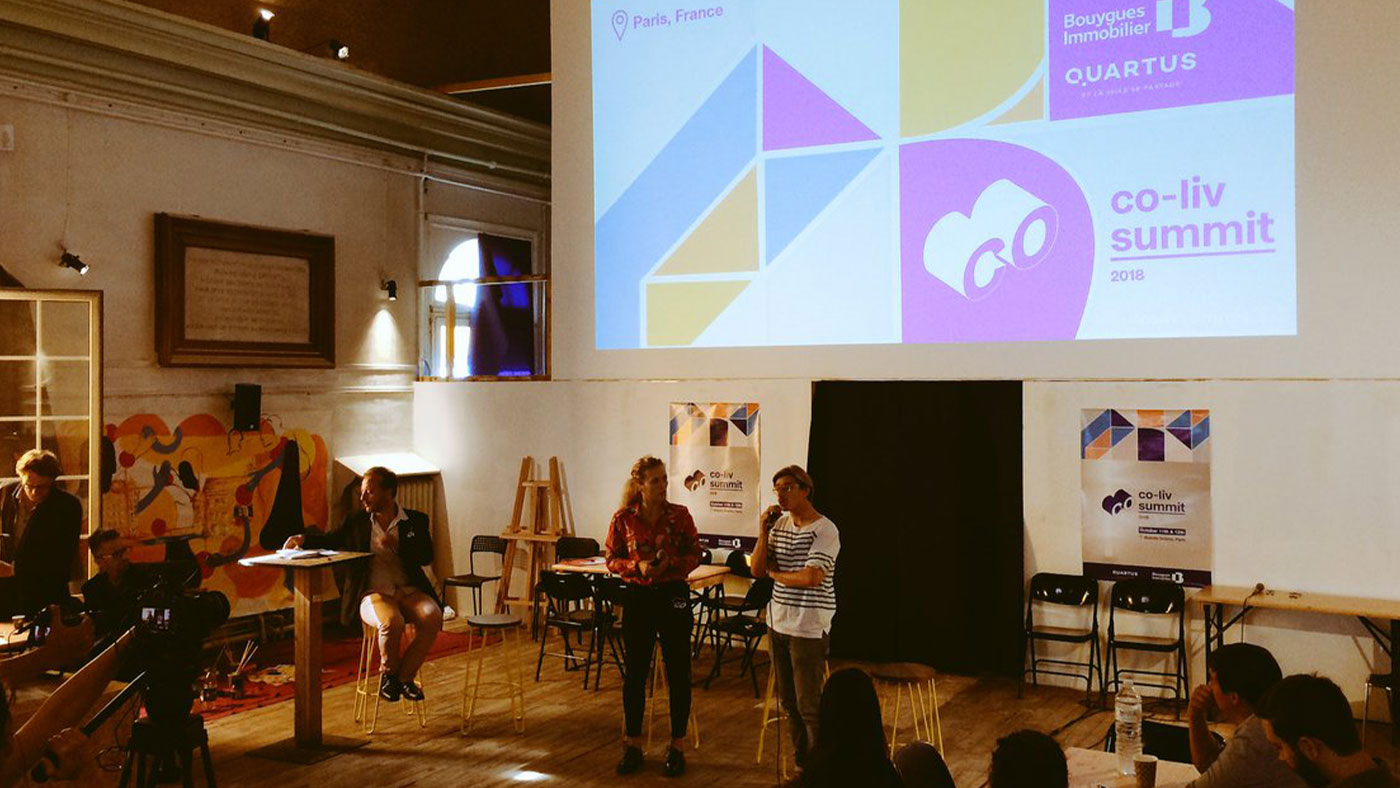
Introducing the Co-Liv Tech Community - Bringing the coliving tech ecosystem closer together
Coliving consists of a wide and complex array of key actors and processes. As a result, a truly great coliving experience - at all stages of the member journey - must be facilitated by great services that can account for all these aspects - and in the 21st century, many of these services can be facilitated by technology. In this article, Christian Schmitz, Michael Steinmann and Connor Moore of Co-Liv explain how Co-Liv is working to further facilitate a stronger synergy within the Co-Liv Tech Community in order to propel the industry to greater heights than ever before, all while strengthening the interdependent community of service providers within it and helping them gain visibility throughout the sector.
Looking to showcase?
Contribute. Share. Lead the Conversation.
Members can submit articles, news, jobs, events, and project showcases to share expertise and gain visibility within the coliving industry.
Finding this article helpful?
Log In or Become a Premium Member to Enjoy the Full Article!
Log in to keep reading, or become a member to gain full access to Coliving Insights!
full articles
user portal
easy filtering
Pulse market overviews
direct access & full details
Creating digital experiences to enable better life in buildings
Creating digital experiences to enable better life in buildings

Creating digital experiences to enable better life in buildings
Coliving continues to undergo a constant evolution as COVID-19 has shifted the sector to adapt buildings in newly functional ways - and software is here to help. Spaceflow’s Head of Marketing, Petr Boruta, explains how such technology is capable of integrating and digitising all aspects of the tenant experience; thus, transforming space itself into a connected and living sphere that can serve all of the tenant’s needs, all in one place.
Looking to showcase?
Contribute. Share. Lead the Conversation.
Members can submit articles, news, jobs, events, and project showcases to share expertise and gain visibility within the coliving industry.
Finding this article helpful?
Log In or Become a Premium Member to Enjoy the Full Article!
Log in to keep reading, or become a member to gain full access to Coliving Insights!
full articles
user portal
easy filtering
Pulse market overviews
direct access & full details
How Innovative Tech Can Propel Coliving to New Heights
How Innovative Tech Can Propel Coliving to New Heights

How Innovative Tech Can Propel Coliving to New Heights
Coliving and tech are a ‘match made in heaven’, according to Giles Horwitch-Smith, the founder and CEO of leading short-stay and long-stay residential software platform, res:harmonics. With 25 years’ experience in the property and tech worlds, Giles tells Coliving Insights how innovative technology can streamline coliving’s operations, enhance resident experience, boost operators’ profits and help them scale.
Looking to showcase?
Contribute. Share. Lead the Conversation.
Members can submit articles, news, jobs, events, and project showcases to share expertise and gain visibility within the coliving industry.
Finding this article helpful?
Log In or Become a Premium Member to Enjoy the Full Article!
Log in to keep reading, or become a member to gain full access to Coliving Insights!
full articles
user portal
easy filtering
Pulse market overviews
direct access & full details
You don’t need technology to build community. Long live technology.
You don’t need technology to build community. Long live technology.

You don’t need technology to build community. Long live technology.
Technology has allowed humans to accomplish extraordinary feats; however, technology on its own is not enough. By understanding all the steps along a coliving member’s journey, you can apply technology in ways that effectively facilitate an optimal community atmosphere for that member. Rick Schols, co-founder at Sowebuild, shows us how by stimulating practical engagement, providing seamless accessibility and driving connectivity, technology can help shape a flourishing community for all its members, from start to end of their journey.
Looking to showcase?
Contribute. Share. Lead the Conversation.
Members can submit articles, news, jobs, events, and project showcases to share expertise and gain visibility within the coliving industry.
Finding this article helpful?
Log In or Become a Premium Member to Enjoy the Full Article!
Log in to keep reading, or become a member to gain full access to Coliving Insights!
full articles
user portal
easy filtering
Pulse market overviews
direct access & full details
Modern PropTech Needs to Help Scale Good Customer Experience in Coliving
Modern PropTech Needs to Help Scale Good Customer Experience in Coliving

Modern PropTech Needs to Help Scale Good Customer Experience in Coliving
If there is one thing managers and operators of coliving spaces absolutely cannot ignore, it is the customer experience. According to Vann Vogstad, Founder of COHO, this needs to be at the heart of proptech; however, it doesn’t stop there. The right solution for providing residents with a seamless and integrated experience requires having all of your functionalities together, in one place, and thus providing tenants the ultimate hassle-free experience. In this piece, Vann shows us that property management systems have a long way to go to meet the demands of the modern coliver, and COHO is dedicated to breaking the chain to do just that.
Looking to showcase?
Contribute. Share. Lead the Conversation.
Members can submit articles, news, jobs, events, and project showcases to share expertise and gain visibility within the coliving industry.
Finding this article helpful?
Log In or Become a Premium Member to Enjoy the Full Article!
Log in to keep reading, or become a member to gain full access to Coliving Insights!
full articles
user portal
easy filtering
Pulse market overviews
direct access & full details
Online Coliving Systems For Offline Coliving Communities
Online Coliving Systems For Offline Coliving Communities

Online Coliving Systems For Offline Coliving Communities
Property management and community building, particularly in coliving, can be a complex process. However, as Group Director of MyTown Jelmer Ikink demonstrates in this piece, having the right turn-key property management system can provide an all-inclusive operations platform to give your tenants’ the ultimate coliving experience. From rental payments to property maintenance to management of key business metrics, MyTown shows how they have developed in-house technology that can simplify, integrate and organise all of your management functions, all in one place.
Looking to showcase?
Contribute. Share. Lead the Conversation.
Members can submit articles, news, jobs, events, and project showcases to share expertise and gain visibility within the coliving industry.
Finding this article helpful?
Log In or Become a Premium Member to Enjoy the Full Article!
Log in to keep reading, or become a member to gain full access to Coliving Insights!
full articles
user portal
easy filtering
Pulse market overviews
direct access & full details
The Collective: How to Satisfy Unmet Needs with Technology
The Collective: How to Satisfy Unmet Needs with Technology

The Collective: How to Satisfy Unmet Needs with Technology
In this interview, our Editor-in-Chief, Matt Lesniak, speaks with The Collective’s Group Technology Director Andy Caddy and Customer Experience Director Ed Thomas to share their unique insights on how technology can be used to go above and beyond in meeting the essential needs of coliving members and fostering a strong community atmosphere. Through the power of data and continual engagement, Ed and Andy elaborate on the challenges, opportunities and benefits of exploring and implementing proptech solutions in a coliving space. From transparent reporting on operational sustainability to forming social groups with shared interests, The Collective demonstrates why they are an illustrative example of the role technology can play in optimising the coliving experience.
Looking to showcase?
Contribute. Share. Lead the Conversation.
Members can submit articles, news, jobs, events, and project showcases to share expertise and gain visibility within the coliving industry.
Finding this article helpful?
Log In or Become a Premium Member to Enjoy the Full Article!
Log in to keep reading, or become a member to gain full access to Coliving Insights!
full articles
user portal
easy filtering
Pulse market overviews
direct access & full details
Why You Should Invest in PropTech as a Coliving Operator
Why You Should Invest in PropTech as a Coliving Operator

Why You Should Invest in PropTech as a Coliving Operator
Technology in today’s real estate market is the difference between a standard coliving experience, and an exceptional one. But what exactly is that difference? For Hélène Maria, Product Manager at Urban Campus, it’s about a more engaged community, environmental sustainability and managerial ease. In this piece, she explains how tech serves to enable coliving operators to provide a wide variety of benefits for all stakeholders involved.
Looking to showcase?
Contribute. Share. Lead the Conversation.
Members can submit articles, news, jobs, events, and project showcases to share expertise and gain visibility within the coliving industry.
Finding this article helpful?
Log In or Become a Premium Member to Enjoy the Full Article!
Log in to keep reading, or become a member to gain full access to Coliving Insights!
full articles
user portal
easy filtering
Pulse market overviews
direct access & full details
Smart Coliving - Why Technology Deserves a New Look
Smart Coliving - Why Technology Deserves a New Look

Smart Coliving - Why Technology Deserves a New Look
We live in a truly exceptional time period, in which technology is allowing us to turn what we imagine real estate should be into what it can and will be. Particularly for coliving operators, a whole new set of possibilities unravels by implementing technology, particularly when it comes to revolutionising what is the core of coliving - the community experience. In this piece, Carlos de la Lama-Noriega - founder of Startup Embassy - educates and inspires us to use our imagination in order to realise the many ways in which tech can push the limits of what it means to operate a coliving space in the era of digitalisation.
Looking to showcase?
Contribute. Share. Lead the Conversation.
Members can submit articles, news, jobs, events, and project showcases to share expertise and gain visibility within the coliving industry.
Finding this article helpful?
Log In or Become a Premium Member to Enjoy the Full Article!
Log in to keep reading, or become a member to gain full access to Coliving Insights!
full articles
user portal
easy filtering
Pulse market overviews
direct access & full details
appWash: Redefining Laundry Experience in Coliving Spaces
appWash: Redefining Laundry Experience in Coliving Spaces

appWash: Redefining Laundry Experience in Coliving Spaces
In this article, founders of Miele Operations & Payment Solutions provide insights into their idea of a state-of-the-art solution for laundry technology and why they believe their appWash service is a fitting contribution to the range of amenities offered by coliving operators. They take us through their European study trip and how they gathered user data to create the customer-centric laundry technology they provide to shared living spaces across Europe.
Looking to showcase?
Contribute. Share. Lead the Conversation.
Members can submit articles, news, jobs, events, and project showcases to share expertise and gain visibility within the coliving industry.
Finding this article helpful?
Log In or Become a Premium Member to Enjoy the Full Article!
Log in to keep reading, or become a member to gain full access to Coliving Insights!
full articles
user portal
easy filtering
Pulse market overviews
direct access & full details
Will the coliving industry embrace the subscription living model?
Will the coliving industry embrace the subscription living model?

Will the coliving industry embrace the subscription living model?
While subscription based services have been around for quite some time now, the high demand for flexible living by younger generations means it’s time for coliving and real estate to join the movement. Whether its providing consumers with a greater variety of choice or offering easy access to service and amenities, subscription-based coliving has much to offer. In this article, Spatial Experience shares insights into the opportunities, challenges and benefits of implementing subscription economy solutions to the shared living sector.
Looking to showcase?
Contribute. Share. Lead the Conversation.
Members can submit articles, news, jobs, events, and project showcases to share expertise and gain visibility within the coliving industry.
Finding this article helpful?
Log In or Become a Premium Member to Enjoy the Full Article!
Log in to keep reading, or become a member to gain full access to Coliving Insights!
full articles
user portal
easy filtering
Pulse market overviews
direct access & full details
On Overcoming the Struggles in Scaling coliving
On Overcoming the Struggles in Scaling coliving

On Overcoming the Struggles in Scaling coliving
Despite the increasingly widespread need for coliving, meeting this demand is not a straightforward process by any means. Restrictions such as limited convertible spaces, existing building codes and the tension between growth and efficiency are all factors that can inhibit growth. In this article, our Think Tank Partner MyTown describes how their own experiences in the Philippines serve as a model for how operators can navigate such challenges, and thus achieve a sustainable and profitable coliving growth model.
Looking to showcase?
Contribute. Share. Lead the Conversation.
Members can submit articles, news, jobs, events, and project showcases to share expertise and gain visibility within the coliving industry.
Finding this article helpful?
Log In or Become a Premium Member to Enjoy the Full Article!
Log in to keep reading, or become a member to gain full access to Coliving Insights!
full articles
user portal
easy filtering
Pulse market overviews
direct access & full details
The Institutionalisation of Shared Residences
The Institutionalisation of Shared Residences

The Institutionalisation of Shared Residences
In this interview, we speak to Fredéric Verdavaine, CEO of Private Rental Sector (PRS), and Marie-Suzanne Locqueneux, New Business Development Director at Nexity. They are responsible for developing and improving their PRS concepts, including their coliving, PBSA and senior living verticals from development to operations. In this article, they share their perspectives on recent alternative real estate trends and what the coliving sector needs to do to consolidate itself.
Looking to showcase?
Contribute. Share. Lead the Conversation.
Members can submit articles, news, jobs, events, and project showcases to share expertise and gain visibility within the coliving industry.
Finding this article helpful?
Log In or Become a Premium Member to Enjoy the Full Article!
Log in to keep reading, or become a member to gain full access to Coliving Insights!
full articles
user portal
easy filtering
Pulse market overviews
direct access & full details
Starcity Coliving: Innovation and Insights from a Full Stack Owner and Operator
Starcity Coliving: Innovation and Insights from a Full Stack Owner and Operator
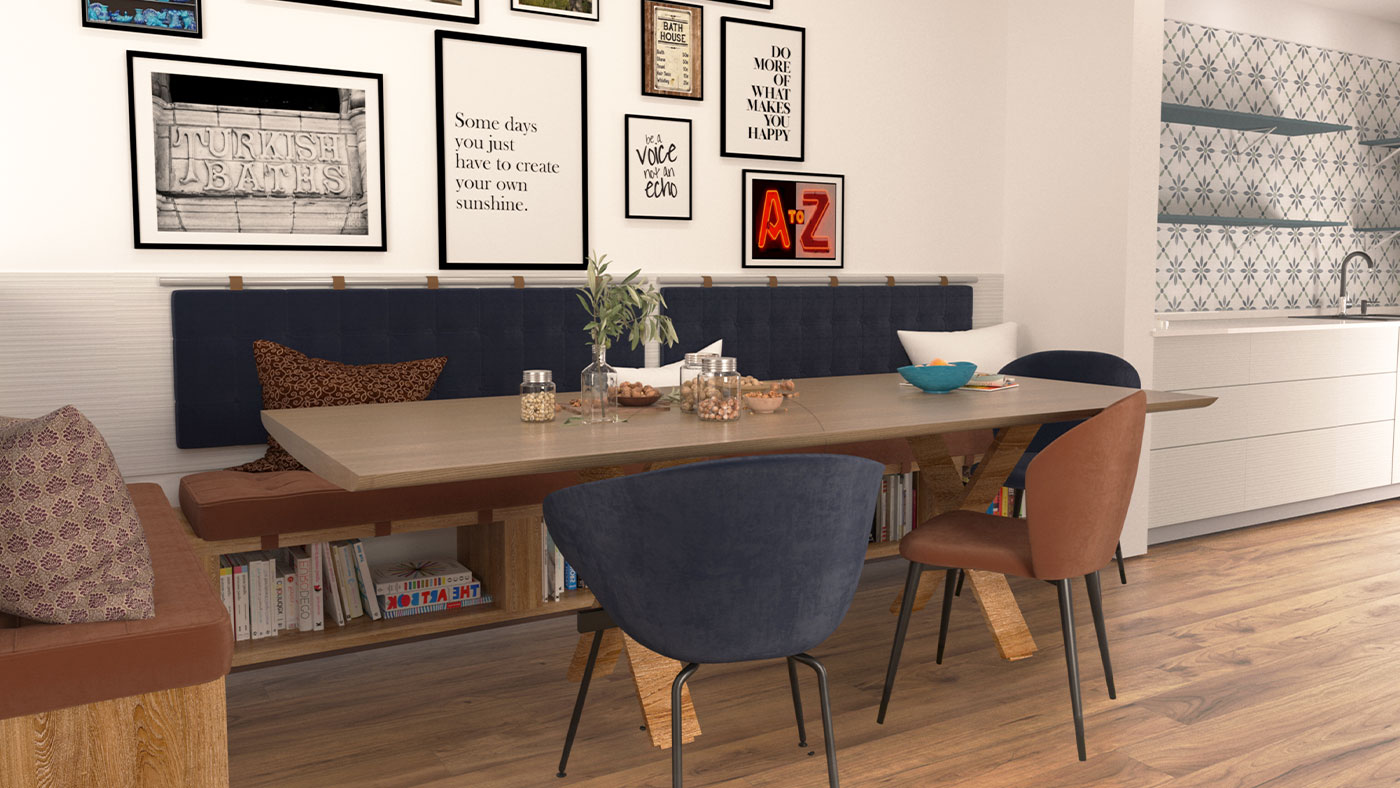
Starcity Coliving: Innovation and Insights from a Full Stack Owner and Operator
Starcity is a California-based owner-operator that has recently expanded to Europe and acquired another large scale coliving operator. In this article they share how they have gotten to this point and give some insights into the specific development processes involved in a few of their recent purpose-built coliving schemes. They also share how their R&D and development teams partner up with industry leaders to help pave the way for shared living policies and institutionalisation.
Looking to showcase?
Contribute. Share. Lead the Conversation.
Members can submit articles, news, jobs, events, and project showcases to share expertise and gain visibility within the coliving industry.
Finding this article helpful?
Log In or Become a Premium Member to Enjoy the Full Article!
Log in to keep reading, or become a member to gain full access to Coliving Insights!
full articles
user portal
easy filtering
Pulse market overviews
direct access & full details
Graduating from spaces to solutions
Graduating from spaces to solutions

Graduating from spaces to solutions
The past decade has seen extraordinary growth and change in shared living. The Class of 2020 was founded as a think tank to solve the student housing crisis, and has seen the purpose-built student accommodation (PBSA) industry take off, mature as an asset class and bring prosperity and vibrancy to European cities. To celebrate The Class of 2020’s Graduation Conference, Programme Coordinator Lily Moodey and The Class of 2020 team curated an agenda of visionary thinkers and practitioners to comment on the trends shaping the next decade of living in university cities. In this article, Lily shares the most relevant findings for coliving players as they scale from providing spaces to solutions to global challenges.
Looking to showcase?
Contribute. Share. Lead the Conversation.
Members can submit articles, news, jobs, events, and project showcases to share expertise and gain visibility within the coliving industry.
Finding this article helpful?
Log In or Become a Premium Member to Enjoy the Full Article!
Log in to keep reading, or become a member to gain full access to Coliving Insights!
full articles
user portal
easy filtering
Pulse market overviews
direct access & full details
What will it take to scale the shared living sector?
What will it take to scale the shared living sector?

What will it take to scale the shared living sector?
One of our main objectives at Coliving Insights is to help ensure the coliving sector becomes a fully-fledged alternative residential asset class. Fortunately for us, we are not the only ones on this mission. Susan Tjarksen, Managing Director of Multifamily Capital Markets at Cushman & Wakefield, is another shared living ambassador who has supported the institutionalisation of the asset class through her work delivering multifamily apartments, publishing trend reports and speaking at conferences, summits and panels. As the ‘SCALE’ chapter sponsor, Susan speaks to us on behalf of Cushman & Wakefield and shares her thoughts about what it will take to bring the shared living sector to the next level. In this interview piece, Susan shares the important part that coliving plays in keeping young urban professionals housed and connected at an obtainable rental level.
Looking to showcase?
Contribute. Share. Lead the Conversation.
Members can submit articles, news, jobs, events, and project showcases to share expertise and gain visibility within the coliving industry.
Finding this article helpful?
Log In or Become a Premium Member to Enjoy the Full Article!
Log in to keep reading, or become a member to gain full access to Coliving Insights!
full articles
user portal
easy filtering
Pulse market overviews
direct access & full details
How to enhance community building and facilitation in coliving
How to enhance community building and facilitation in coliving

How to enhance community building and facilitation in coliving
Learn from Naima Ritter at Conscious Coliving on facilitating authentic community in coliving. Explore key points from The Community Facilitation Handbook, understanding the role of Community Facilitator and creating an organic, authentic coliving environment.
Looking to showcase?
Contribute. Share. Lead the Conversation.
Members can submit articles, news, jobs, events, and project showcases to share expertise and gain visibility within the coliving industry.
Finding this article helpful?
Log In or Become a Premium Member to Enjoy the Full Article!
Log in to keep reading, or become a member to gain full access to Coliving Insights!
full articles
user portal
easy filtering
Pulse market overviews
direct access & full details
Pulse
Explore thought leadership articles that showcase best practices across a diverse range of topics in the shared living industry.
explore Pulses
August 10, 2026
Spain Notches First Coliving Exit, Melbourne Debuts Hybrid Living Model, London Pipeline Pushes Past 2.500 Units & More
Spain Notches First Coliving Exit, Melbourne Debuts Hybrid Living Model, London Pipeline Pushes Past 2.500 Units & More
Spain Notches First Coliving Exit, Melbourne Debuts Hybrid Living Model, London Pipeline Pushes Past 2.500 Units & More
27/07/2026-10/08/2026
Grupo Alfareal completes Spain's first disclosed coliving exit to a family office after a fast-cycle repositioning, Urban Rest opens Australia's first mixed coliving and aparthotel building under a single platform, and over 2.500 coliving units advance through UK planning with suburban London and regional cities leading the charge.
Looking to showcase?
Contribute. Share. Lead the Conversation.
Members can submit articles, news, jobs, events, and project showcases to share expertise and gain visibility within the coliving industry.
Finding this content helpful?
Log In or Become a Premium Member to Enjoy the Full Overview!
Log in to keep reading, or become a member to gain full access to Coliving Insights!
full articles
User portal
easy filtering
Pulse market overviews
direct access & full details
July 27, 2026
Spain's Coliving Giants Merge, European Investment Surges, Mixed-Tenure Towers Secure Consent & More
Spain's Coliving Giants Merge, European Investment Surges, Mixed-Tenure Towers Secure Consent & More
Spain's Coliving Giants Merge, European Investment Surges, Mixed-Tenure Towers Secure Consent & More
13/07/2026-27/07/2026
Badi and Caterina combine to target thousands of homes backed by institutional capital, European investor appetite for coliving nearly doubles with billions in anticipated deployment, and London's 77 Marsh Wall wins planning for a landmark tower embedding coliving within mixed-tenure frameworks. Meanwhile, Singapore operators pioneer integrated work-live-retail formats and resort-style hybrids as the sector matures across continents.
Looking to showcase?
Contribute. Share. Lead the Conversation.
Members can submit articles, news, jobs, events, and project showcases to share expertise and gain visibility within the coliving industry.
Finding this content helpful?
Log In or Become a Premium Member to Enjoy the Full Overview!
Log in to keep reading, or become a member to gain full access to Coliving Insights!
full articles
User portal
easy filtering
Pulse market overviews
direct access & full details
July 13, 2026
UK Coliving Planning Formalises, £400m Folk Fund Launches Brent Cross, Gravesend Eyes 500 Units & More
UK Coliving Planning Formalises, £400m Folk Fund Launches Brent Cross, Gravesend Eyes 500 Units & More
UK Coliving Planning Formalises, £400m Folk Fund Launches Brent Cross, Gravesend Eyes 500 Units & More
29/06/2026-13/07/2026
Nottingham becomes the second UK city to adopt coliving planning guidance with a 25 m² studio minimum, Glasgow remains Scotland's sole policy leader with one consented scheme, and DTZ's Folk brand reaches £400 million AUM with its fourth London launch inside a major masterplan. Meanwhile, a 500-unit Gravesend proposal signals the sector's push into secondary commuter markets.
Looking to showcase?
Contribute. Share. Lead the Conversation.
Members can submit articles, news, jobs, events, and project showcases to share expertise and gain visibility within the coliving industry.
Finding this content helpful?
Log In or Become a Premium Member to Enjoy the Full Overview!
Log in to keep reading, or become a member to gain full access to Coliving Insights!
full articles
User portal
easy filtering
Pulse market overviews
direct access & full details
June 29, 2026
Investec Backs True North for £75m Across Four Deals, Sheffield Appeal Tests Unit-Mix Flexibility, Singapore's First Coliving Hybrid Opens & More
Investec Backs True North for £75m Across Four Deals, Sheffield Appeal Tests Unit-Mix Flexibility, Singapore's First Coliving Hybrid Opens & More
Investec Backs True North for £75m Across Four Deals, Sheffield Appeal Tests Unit-Mix Flexibility, Singapore's First Coliving Hybrid Opens & More
15/06/2026-29/06/2026
True North secures its fourth Investec development loan in 12 months, cumulative exposure now reaching a significant milestone. Sheffield's contested scheme faces appeal over council-mandated cluster requirements with substantial capital at stake. Singapore debuts a purpose-built coliving-serviced apartment hybrid, while Glasgow and London schemes launch as forward-sale opportunities signaling institutional confidence in de-risked exits.
Looking to showcase?
Contribute. Share. Lead the Conversation.
Members can submit articles, news, jobs, events, and project showcases to share expertise and gain visibility within the coliving industry.
Finding this content helpful?
Log In or Become a Premium Member to Enjoy the Full Overview!
Log in to keep reading, or become a member to gain full access to Coliving Insights!
full articles
User portal
easy filtering
Pulse market overviews
direct access & full details
June 15, 2026
Institutional Appetite Surges, Regional Cities Accelerate, Regulatory Layers Thicken & More
Institutional Appetite Surges, Regional Cities Accelerate, Regulatory Layers Thicken & More
Institutional Appetite Surges, Regional Cities Accelerate, Regulatory Layers Thicken & More
01/06/2026-15/06/2026
Institutional coliving allocations projected to jump by over 40% within two years as Greystar closes Europe's largest value-add residential fund, Bristol and Nottingham formalise planning frameworks setting divergent minimum studio sizes, and regional schemes from Cardiff to Slough reach resolution or submission stage. Meanwhile, Building Safety Levy timescales and Renters' Rights Act compliance add fresh layers of delivery risk.
Looking to showcase?
Contribute. Share. Lead the Conversation.
Members can submit articles, news, jobs, events, and project showcases to share expertise and gain visibility within the coliving industry.
Finding this content helpful?
Log In or Become a Premium Member to Enjoy the Full Overview!
Log in to keep reading, or become a member to gain full access to Coliving Insights!
full articles
User portal
easy filtering
Pulse market overviews
direct access & full details
June 1, 2026
Folk and Halcyon Close Brent Cross Town, South Korea's Investment Doubles, Taxi House Sets BREEAM Benchmark
Folk and Halcyon Close Brent Cross Town, South Korea's Investment Doubles, Taxi House Sets BREEAM Benchmark
Folk and Halcyon Close Brent Cross Town, South Korea's Investment Doubles, Taxi House Sets BREEAM Benchmark
18/05/2026-01/06/2026
Halcyon and Folk acquire 352 coliving homes at Brent Cross Town as part of London's largest mixed-tenure masterplan, South Korea's coliving investment doubles to KRW 385bn with global institutional capital flooding Seoul, and Cheyne Capital's Taxi House sets a new sustainability benchmark as coliving's first BREEAM Outstanding post-construction scheme at scale.
Looking to showcase?
Contribute. Share. Lead the Conversation.
Members can submit articles, news, jobs, events, and project showcases to share expertise and gain visibility within the coliving industry.
Finding this content helpful?
Log In or Become a Premium Member to Enjoy the Full Overview!
Log in to keep reading, or become a member to gain full access to Coliving Insights!
full articles
User portal
easy filtering
Pulse market overviews
direct access & full details
May 18, 2026
Prime Phenix Secures West Ealing Site, Re:shape Bets Against the Slowdown, Coventry Nears Delivery & More
Prime Phenix Secures West Ealing Site, Re:shape Bets Against the Slowdown, Coventry Nears Delivery & More
Prime Phenix Secures West Ealing Site, Re:shape Bets Against the Slowdown, Coventry Nears Delivery & More
04/05/2026-18/05/2026
Prime Phenix acquires a consented coliving site in West Ealing with development finance in place, Re:shape doubles down with senior hires and aggressive site targeting as London starts collapse, and Coventry's largest regional coliving scheme advances toward completion.
Looking to showcase?
Contribute. Share. Lead the Conversation.
Members can submit articles, news, jobs, events, and project showcases to share expertise and gain visibility within the coliving industry.
Finding this content helpful?
Log In or Become a Premium Member to Enjoy the Full Overview!
Log in to keep reading, or become a member to gain full access to Coliving Insights!
full articles
User portal
easy filtering
Pulse market overviews
direct access & full details
May 4, 2026
Re:shape Lands Tottenham Site, Mitsubishi Acquires Habyt Asia, Renters' Rights Act Goes Live & More
Re:shape Lands Tottenham Site, Mitsubishi Acquires Habyt Asia, Renters' Rights Act Goes Live & More
Re:shape Lands Tottenham Site, Mitsubishi Acquires Habyt Asia, Renters' Rights Act Goes Live & More
20/04/2026-04/05/2026
Re:shape secures the final phase of a major North London masterplan for over 500 coliving units as part of a 2.000-unit institutional platform, Mitsubishi Estate acquires Habyt's Asia Pacific portfolio in a strategic shift, and the Renters' Rights Act comes into force with sweeping changes to UK tenancy law.
Looking to showcase?
Contribute. Share. Lead the Conversation.
Members can submit articles, news, jobs, events, and project showcases to share expertise and gain visibility within the coliving industry.
Finding this content helpful?
Log In or Become a Premium Member to Enjoy the Full Overview!
Log in to keep reading, or become a member to gain full access to Coliving Insights!
full articles
User portal
easy filtering
Pulse market overviews
direct access & full details
April 20, 2026
Greenwich Land Deal Signals Mixed-Tenure Momentum, Bristol & Bath Push Workspace Hybrids, Coliving Hits 50% Investor Adoption & More
Greenwich Land Deal Signals Mixed-Tenure Momentum, Bristol & Bath Push Workspace Hybrids, Coliving Hits 50% Investor Adoption & More
Greenwich Land Deal Signals Mixed-Tenure Momentum, Bristol & Bath Push Workspace Hybrids, Coliving Hits 50% Investor Adoption & More
06/04/2026-20/04/2026
YourTRIBE and Aitch Group acquire a major Greenwich site for hundreds of coliving and student rooms, Yara Capital opens consultation on a coliving-workspace scheme in Bristol's Old Market, and investor surveys confirm coliving has crossed the institutional threshold with half of European operators now targeting the sector.
Looking to showcase?
Contribute. Share. Lead the Conversation.
Members can submit articles, news, jobs, events, and project showcases to share expertise and gain visibility within the coliving industry.
Finding this content helpful?
Log In or Become a Premium Member to Enjoy the Full Overview!
Log in to keep reading, or become a member to gain full access to Coliving Insights!
full articles
User portal
easy filtering
Pulse market overviews
direct access & full details
April 6, 2026
Patron Signals Exit, AustralianSuper Backs the Next UK Leader, Canada Water Bends the Rules & More
Patron Signals Exit, AustralianSuper Backs the Next UK Leader, Canada Water Bends the Rules & More
Patron Signals Exit, AustralianSuper Backs the Next UK Leader, Canada Water Bends the Rules & More
23/03/2026-06/04/2026
Patron Capital's Vandor marketing process signals coliving exit liquidity has arrived in Iberia, AustralianSuper backs a major UK living platform with a veteran hire to match, and Royal Greenwich gives Packaged Living the green light on a landmark brownfield scheme in Woolwich.
Looking to showcase?
Contribute. Share. Lead the Conversation.
Members can submit articles, news, jobs, events, and project showcases to share expertise and gain visibility within the coliving industry.
Finding this content helpful?
Log In or Become a Premium Member to Enjoy the Full Overview!
Log in to keep reading, or become a member to gain full access to Coliving Insights!
full articles
User portal
easy filtering
Pulse market overviews
direct access & full details
March 23, 2026
Goldman Sachs Closes Urban Campus Deal, Chords Wins Planning, Bristol Breaks Ground & More
Goldman Sachs Closes Urban Campus Deal, Chords Wins Planning, Bristol Breaks Ground & More
Goldman Sachs Closes Urban Campus Deal, Chords Wins Planning, Bristol Breaks Ground & More
09/03/2026-23/03/2026
Goldman Sachs acquisition signals institutional coliving has arrived in Europe, Bristol breaks ground on its first major scheme, and new data reveals London's rental market is shifting decisively toward a summer-dominated letting cycle.
Looking to showcase?
Contribute. Share. Lead the Conversation.
Members can submit articles, news, jobs, events, and project showcases to share expertise and gain visibility within the coliving industry.
Finding this content helpful?
Log In or Become a Premium Member to Enjoy the Full Overview!
Log in to keep reading, or become a member to gain full access to Coliving Insights!
full articles
User portal
easy filtering
Pulse market overviews
direct access & full details
March 9, 2026
Marsh Wall Clears Gateway 2, GSK House Gets Green Light, Salford Backs Coliving & More
Marsh Wall Clears Gateway 2, GSK House Gets Green Light, Salford Backs Coliving & More
Marsh Wall Clears Gateway 2, GSK House Gets Green Light, Salford Backs Coliving & More
23/02/2026-09/03/2026
The UK's tallest coliving tower clears its final regulatory hurdle, Brentford's landmark GSK site wins consent for thousands of homes, and Salford unanimously backs its first purpose-built coliving scheme.
Looking to showcase?
Contribute. Share. Lead the Conversation.
Members can submit articles, news, jobs, events, and project showcases to share expertise and gain visibility within the coliving industry.
Finding this content helpful?
Log In or Become a Premium Member to Enjoy the Full Overview!
Log in to keep reading, or become a member to gain full access to Coliving Insights!
full articles
User portal
easy filtering
Pulse market overviews
direct access & full details
February 23, 2026
Cardiff Breaks Out, Specialist Lenders Move In, Modular Milestone & More
Cardiff Breaks Out, Specialist Lenders Move In, Modular Milestone & More
Cardiff Breaks Out, Specialist Lenders Move In, Modular Milestone & More
09/02/2026-23/02/2026
London's tallest modular coliving tower completes, Cardiff emerges as the UK's most active market outside the capital, and specialist lenders step in where high-street banks won't.
Looking to showcase?
Contribute. Share. Lead the Conversation.
Members can submit articles, news, jobs, events, and project showcases to share expertise and gain visibility within the coliving industry.
Finding this content helpful?
Log In or Become a Premium Member to Enjoy the Full Overview!
Log in to keep reading, or become a member to gain full access to Coliving Insights!
full articles
User portal
easy filtering
Pulse market overviews
direct access & full details
February 9, 2026
London Coliving Accelerates, Conversion Deals, MIPIM Buzz & More
London Coliving Accelerates, Conversion Deals, MIPIM Buzz & More
London Coliving Accelerates, Conversion Deals, MIPIM Buzz & More
26/01/2026-09/02/2026
London's coliving pipeline surges with thousands of units submitted in under two years, regional cities submit their first purpose-built schemes, and a Croydon tower lands an international design nomination.
Looking to showcase?
Contribute. Share. Lead the Conversation.
Members can submit articles, news, jobs, events, and project showcases to share expertise and gain visibility within the coliving industry.
Finding this content helpful?
Log In or Become a Premium Member to Enjoy the Full Overview!
Log in to keep reading, or become a member to gain full access to Coliving Insights!
full articles
User portal
easy filtering
Pulse market overviews
direct access & full details
January 26, 2026
City of London Strategy, Singapore Public Listing & More
City of London Strategy, Singapore Public Listing & More
City of London Strategy, Singapore Public Listing & More
12/01/2026-26/01/2026
The City of London emerges as an unlikely coliving hotspot under new planning policy, a Singapore operator files for public listing, and a major US institutional platform makes its first move into the UK market.
Looking to showcase?
Contribute. Share. Lead the Conversation.
Members can submit articles, news, jobs, events, and project showcases to share expertise and gain visibility within the coliving industry.
Finding this content helpful?
Log In or Become a Premium Member to Enjoy the Full Overview!
Log in to keep reading, or become a member to gain full access to Coliving Insights!
full articles
User portal
easy filtering
Pulse market overviews
direct access & full details
January 12, 2026
Exeter & Salford Approvals, London Policy Barriers & More
Exeter & Salford Approvals, London Policy Barriers & More
Exeter & Salford Approvals, London Policy Barriers & More
29/12/2025-12/01/2026
Exeter approves new city-centre coliving schemes, London shuts the typology out of its emergency housing package, and a major operator steps into Greater Manchester for the first time.
Looking to showcase?
Contribute. Share. Lead the Conversation.
Members can submit articles, news, jobs, events, and project showcases to share expertise and gain visibility within the coliving industry.
Finding this content helpful?
Log In or Become a Premium Member to Enjoy the Full Overview!
Log in to keep reading, or become a member to gain full access to Coliving Insights!
full articles
User portal
easy filtering
Pulse market overviews
direct access & full details
Jobs
Discover the newest job openings within the coliving & shared living industry and list your vacancies.
explore JOBSApply by
7/8/2026
Mid-Market Senior Account Executive

Atlanta, Georgia
USA

Mid-weight

Remote
view job opportunity
Sales
Full-time
Posted on
17/7/2026
Apply by
7/8/2026
About the company
Looking to showcase?
Contribute. Share. Lead the Conversation.
Members can submit articles, news, jobs, events, and project showcases to share expertise and gain visibility within the coliving industry.
Are you interested in this position?
Create a Free Account to Learn More!
requirements
responsibilities
full offer
application link
Or become a premium member to unlock gain full access to Coliving Insights!
full articles
User portal
easy filtering
Pulse market overviews
direct access & full details
Apply by
31/8/2026
Customer Service Advisor – Student Accommodation
Swansea
UK
Mid-weight
In-office
view job opportunity
Operations
Full-time
Posted on
21/7/2026
Apply by
31/8/2026
Customer Service Advisor – Student Accommodation
About the company
Looking to showcase?
Contribute. Share. Lead the Conversation.
Members can submit articles, news, jobs, events, and project showcases to share expertise and gain visibility within the coliving industry.
Are you interested in this position?
Create a Free Account to Learn More!
requirements
responsibilities
full offer
application link
Or become a premium member to unlock gain full access to Coliving Insights!
full articles
User portal
easy filtering
Pulse market overviews
direct access & full details
Apply by
31/8/2026
Growth Marketing Manager
London
UK
Mid-weight
In-office
view job opportunity
Marketing
Full-time
Posted on
29/7/2026
Apply by
31/8/2026
Growth Marketing Manager
About the company
&Soul is reimagining urban existence. We run community-first sites in Southall and Shoreditch, and The Sanctuary, a wellness and events space designed around a world-class sauna and ice bath room, movement classes, Reformer Pilates studio, and soon a state-of-the-art gym.
We’re growing fast. What started as a couple of buildings is becoming a brand people move across cities to be a part of. Behind that is a small, close team, a strong point of view on how modern life should feel, and a lot of room for someone to come in and make marketing at &Soul truly excellent.
Looking to showcase?
Contribute. Share. Lead the Conversation.
Members can submit articles, news, jobs, events, and project showcases to share expertise and gain visibility within the coliving industry.
Are you interested in this position?
Create a Free Account to Learn More!
requirements
responsibilities
full offer
application link
Or become a premium member to unlock gain full access to Coliving Insights!
full articles
User portal
easy filtering
Pulse market overviews
direct access & full details
Apply by
31/8/2026
Connector
Rotterdam
Netherlands
Mid-weight
In-office
view job opportunity
Full-time
Posted on
24/7/2026
Apply by
31/8/2026
Connector
About the company
Known for being the rule breakers in hospitality, TSH is a fun, creative and inspiring environment where everyone can work, stay, learn and play and most importantly – be themselves. As an employer we look, act and think like a hotel, but instead we offer a lot more. Think student accommodation, long and short stay options, gyms, talks, events, rooftop bar and eat & drink escapes as well as community and coworking spaces. Located in The Netherlands, Germany, Austria, Italy, France and Spain with several new openings on the way, this hybrid hospitality concept may take root in the heart of Europe, but our plans are set for going global.
Looking to showcase?
Contribute. Share. Lead the Conversation.
Members can submit articles, news, jobs, events, and project showcases to share expertise and gain visibility within the coliving industry.
Are you interested in this position?
Create a Free Account to Learn More!
requirements
responsibilities
full offer
application link
Or become a premium member to unlock gain full access to Coliving Insights!
full articles
User portal
easy filtering
Pulse market overviews
direct access & full details
Apply by
31/8/2026
Business Development Manager - SAP
Remote
Supervisor
Remote
view job opportunity
Business Development
Full-time
Posted on
30/7/2026
Apply by
31/8/2026
Business Development Manager - SAP
About the company
TransferMate - a subsidiary of CluneTech – was established in 2010 when we began working with regulators around the world to secure licenses to operate as a global payment’s provider. With a global payments network covering 200+ countries and territories, TransferMate have established partnerships with some of the largest banks, fintechs and software providers in the world. The combination of our regulated network, award winning technology and strategic partnerships culminated in 2022 when the business achieved Unicorn status.
Our team is dedicated to delivering the best possible experience for our partners and their customers. We know that a happy team is one that performs at the highest level and our #OneTeam ethos encourages mutual support, respect, recognition, and rewards. In Ireland, we have been recognised as a Great Place to Work for 9 consecutive years, with 35 offices worldwide, we do business across 100+ countries on a daily basis.
Looking to showcase?
Contribute. Share. Lead the Conversation.
Members can submit articles, news, jobs, events, and project showcases to share expertise and gain visibility within the coliving industry.
Are you interested in this position?
Create a Free Account to Learn More!
requirements
responsibilities
full offer
application link
Or become a premium member to unlock gain full access to Coliving Insights!
full articles
User portal
easy filtering
Pulse market overviews
direct access & full details
Apply by
31/8/2026
Principal Designer
Remote
Mid-weight
Remote
view job opportunity
Design
Full-time
Posted on
30/7/2026
Apply by
31/8/2026
Principal Designer
About the company
Help make the world more hospitable
The hospitality industry is uniquely human, and it deserves technology that’s just as inspiring as the people behind it. At Mews, we’re transforming the industry with a platform that helps hotels run smarter, move faster and create better guest experiences.
You’ll work with smart, curious people who care deeply about what they do. You’ll have autonomy and the trust to make good decisions and move quickly. And you’ll enjoy a real sense of purpose as you see the impact of what we’re building.
If you’re motivated by ownership, curiosity and meaningful impact, and are driven to deliver consistent high performance, you’ll feel at home here.
Looking to showcase?
Contribute. Share. Lead the Conversation.
Members can submit articles, news, jobs, events, and project showcases to share expertise and gain visibility within the coliving industry.
Are you interested in this position?
Create a Free Account to Learn More!
requirements
responsibilities
full offer
application link
Or become a premium member to unlock gain full access to Coliving Insights!
full articles
User portal
easy filtering
Pulse market overviews
direct access & full details
Events
Stay connected with the latest industry events, from conferences to networking opportunities, all in one place.
explore EVENTSClass Conference 2026
Student Housing
4/11/2026
5/11/2026
Het Sieraad, Amsterdam
Conference
In-person
Preview Eventmore about the eventCompare plans
Student Housing
Event Start Date
4/11/2026
Event End Date
5/11/2026
Sign Up to Get a Free Promo Code!
Class Conference 2026
The Class Conference 2026 returns to Amsterdam on 4–5 November, bringing together Europe’s leading voices in student living, higher education, investment, operations, urban development and policy.
Under the theme Powering Europe’s University Cities, the conference will examine how student housing can be positioned as critical infrastructure for Europe’s cities, universities and knowledge economies. Across two days, participants will explore the forces shaping the future of student living, from housing supply and affordability to investment, regulation, public-private collaboration, student wellbeing and urban competitiveness.
The programme will combine market insights, expert discussions, site tours, workshops and curated networking, creating a strategic platform for the organisations working to expand, improve and future-proof student accommodation across Europe. More than a conference, it is a meeting point for the sector to align ideas, build partnerships and advance a shared agenda for Europe’s university cities.
Are you interested in this event?
Create a Free Account to Learn More!
event links
event dates
future events
discount codes
Or become a premium member to unlock gain full access to Coliving Insights!
full articles
User portal
easy filtering
Pulse market overviews
direct access & full details
Looking to showcase?
Contribute. Share. Lead the Conversation.
Members can submit articles, news, jobs, events, and project showcases to share expertise and gain visibility within the coliving industry.
The Best in Class Awards Celebration and Dinner
Student Housing
4/11/2026
4/11/2026
ARTIS Royal Zoo, Amsterdam
Ceremony
In-person
Preview EventCompare plans
Student Housing
Event Start Date
4/11/2026
Event End Date
4/11/2026
The Best in Class Awards Celebration and Dinner
more about the eventAre you interested in this event?
Create a Free Account to Learn More!
event links
event dates
future events
discount codes
Or become a premium member to unlock gain full access to Coliving Insights!
full articles
User portal
easy filtering
Pulse market overviews
direct access & full details
Looking to showcase?
Contribute. Share. Lead the Conversation.
Members can submit articles, news, jobs, events, and project showcases to share expertise and gain visibility within the coliving industry.
Urban Living Festival 2027
Urban Living
16/2/2027
16/2/2027
Novotel London
Festival
In-person
Preview Eventmore about the eventCompare plans
Urban Living
Event Start Date
16/2/2027
Event End Date
16/2/2027
Urban Living Festival 2027
The only leadership and investment event for urban innovators and investors at the cutting edge of contemporary hospitality, real estate and living.
Are you interested in this event?
Create a Free Account to Learn More!
event links
event dates
future events
discount codes
Or become a premium member to unlock gain full access to Coliving Insights!
full articles
User portal
easy filtering
Pulse market overviews
direct access & full details
Looking to showcase?
Contribute. Share. Lead the Conversation.
Members can submit articles, news, jobs, events, and project showcases to share expertise and gain visibility within the coliving industry.
Showroom
Step into the spotlight with the Showroom module, a platform designed to boost your market visibility and benchmark your projects for success in the shared living industry, helping you make informed decisions.


Marketplace
The Marketplace module provides a dedicated space for companies to showcase their services and products, connect with a niche community of potential partners, and optimise their strategic positioning.


The Essentials of Coliving Insights
Unlock the full potential of Coliving Insights with tailored solutions for every coliving stakeholder. Find resources that can aid in enhancing your operations and projects through our Modules and Solutions.

Explore Modules
Experience the diversity of modules, each tailored to satisfy the community’s varying needs to grow in the industry.

Explore Solution
Discover how joining the platform can uniquely benefit you and elevate your impact in the shared living industry.
Become a Member & Enjoy Exclusive Benefits
Experience the full power of Coliving Insights with access to premium features, including unrestricted access to available modules, profile customisation, and more!
Become a Member
& Enjoy full & Exclusive Access
Experience the full power of Coliving Insights with access to premium features, including unrestricted access to available modules, profile customisation and more!


